Besichtigung der Nikolauskirche
Die Kirche stammt aus dem 13\. und 17\. Jahrhundert. Das Innere beherbergt zwei Schiffe, darunter eine gotische Nordseite (13\. Jahrhundert) mit ogivalförmigen Gräben und Hakenkapitellen. Seine beiden
Zondag 20 september, 10u00
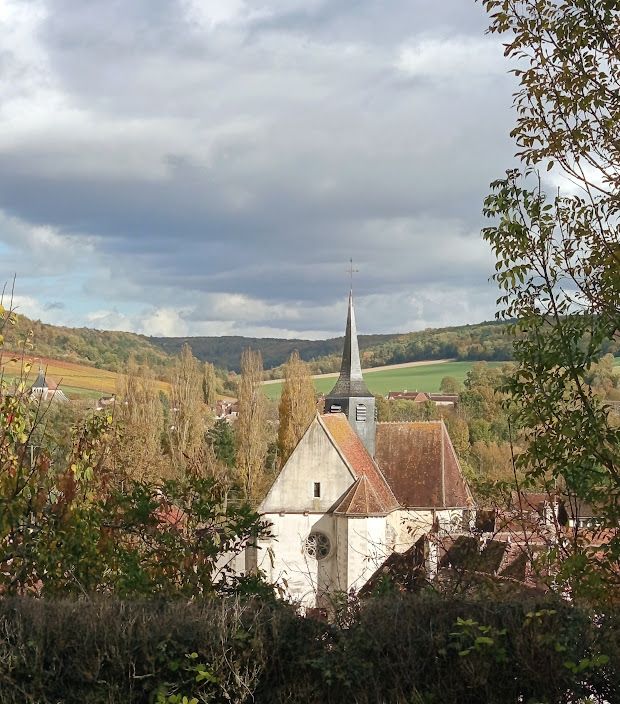
©Anne Laure Buffet
Die Kirche stammt aus dem 13. und 17. Jahrhundert. Das Innere beherbergt zwei Schiffe, darunter eine gotische Nordseite (13. Jahrhundert) mit ogivalförmigen Gräben und Hakenkapitellen. Seine beiden Portale aus dem 13. Jahrhundert wurden später überarbeitet. Das kleine Tor im Norden entspricht dem Stil des 15. Jahrhunderts, das große Portal im Westen weist einen Geschmack aus dem 17. Jahrhundert auf. Vor dem Gebäude steht ein prächtiges Kreuz im Stil Heinrichs II. Am Eingang befindet sich eine aus gezücktem Gusseisen hergestellte Bénitier aus dem Jahr 1596, die in Form einer umgekehrten Glocke ausgeführt ist. Es gibt auch eine Herrenkapelle aus dem 16. Jahrhundert.
Visit to the Church of Saint Nicholas
The church dates from the 13th, 17th century. The interior houses two naves, including a northern aisle in Gothic style (13th century) with ogival bays and capitals with hooks. Its two portals of the.
Zondag 20 september, 10u00
©Anne Laure Buffet
The church dates from the 13th, 17th century. The interior houses two naves, including a northern aisle in Gothic style (13th century) with ogival bays and capitals with hooks. Its two portals of the 13th century were later reworked. The small portal to the north is in the style of the fifteenth century, the large portal to the west has a taste of the seventeenth century. In front of the building stands a magnificent cross in the style of Henry II. At the entrance is a chiselled cast-iron font dating from 1596, designed in the form of an inverted bell. There is also a seigneurial chapel from the 16th century.
Visita della chiesa di San Nicola
La chiesa risale al XIII, XVII secolo. L'interno ospita due navate, di cui una parte nord in stile gotico (XIII secolo) con travi ogivali e capitelli a gancio. I suoi due portali del...
Zondag 20 september, 10u00
©Anne Laure Buffet
La chiesa risale al XIII, XVII secolo. L'interno ospita due navate, di cui una parte nord in stile gotico (XIII secolo) con travi ogivali e capitelli a gancio. I suoi due portali del XIII secolo sono stati successivamente rielaborati. Il piccolo portale a nord è in stile del XV secolo, mentre quello ad ovest ha un sapore seicentesco. Davanti all'edificio si erge una magnifica croce in stile Enrico II. All'ingresso si trova un benificio in ghisa cesellata del 1596, progettato a forma di campana invertita. Vi si trova anche una cappella signorile del XVI secolo.
Visite de l'église Saint-Nicolas
L’église date du XIIIe, XVIIe siècle. L'intérieur abrite deux nefs, dont un bas-côté nord de style gothique (XIIIe siècle) avec des travées ogivales et des chapiteaux à crochets. Ses deux portails du…
Zondag 20 september, 10u00
©Anne Laure Buffet
L’église date du XIIIe, XVIIe siècle. L'intérieur abrite deux nefs, dont un bas-côté nord de style gothique (XIIIe siècle) avec des travées ogivales et des chapiteaux à crochets. Ses deux portails du XIIIe siècle ont été retravaillés par la suite. Le petit portail au nord s'inscrit dans le style du XVe siècle, le grand portail à l'ouest présente un goût du XVIIe siècle. Devant l'édifice se dresse une magnifique croix de style Henri II. À l'entrée se trouve un bénitier en fonte ciselé datant de 1596, conçu en forme de cloche inversée. On y trouve également une chapelle seigneuriale du XVIe siècle.
Visita a la iglesia de San Nicolás
La iglesia data del siglo XIII, siglo XVII. El interior alberga dos naves, entre ellas una parte norte de estilo gótico (siglo XIII) con tramos ogivales y capiteles con ganchos. Sus dos portales del..
Zondag 20 september, 10u00
©Anne Laure Buffet
La iglesia data del siglo XIII, siglo XVII. El interior alberga dos naves, entre ellas una parte norte de estilo gótico (siglo XIII) con tramos ogivales y capiteles con ganchos. Sus dos portales del siglo XIII han sido revisados posteriormente. El pequeño portal al norte se inscribe en el estilo del siglo XV, el gran portal al oeste presenta un gusto del siglo XVII. Delante del edificio se erige una magnífica cruz de estilo Enrique II. En la entrada hay un bénitier de hierro cincelado que data de 1596, diseñado en forma de campana invertida. También se encuentra una capilla señorial del siglo XVI.

