BILDSCHIRM / BILDSCHIRM Variationen auf dem technischen Bild 1826-2026
Das vorherrschende Medium unserer Zeit, sein zentrales Werkzeug, ist der Bildschirm. Man kann es sogar als eine realisierte Utopie betrachten, dass wir heute eine Menge digitaler Informationen erhalte
Vrijdag 16 oktober, 17u00
Toegankelijkheidsvoorzieningen
Motorische beperking
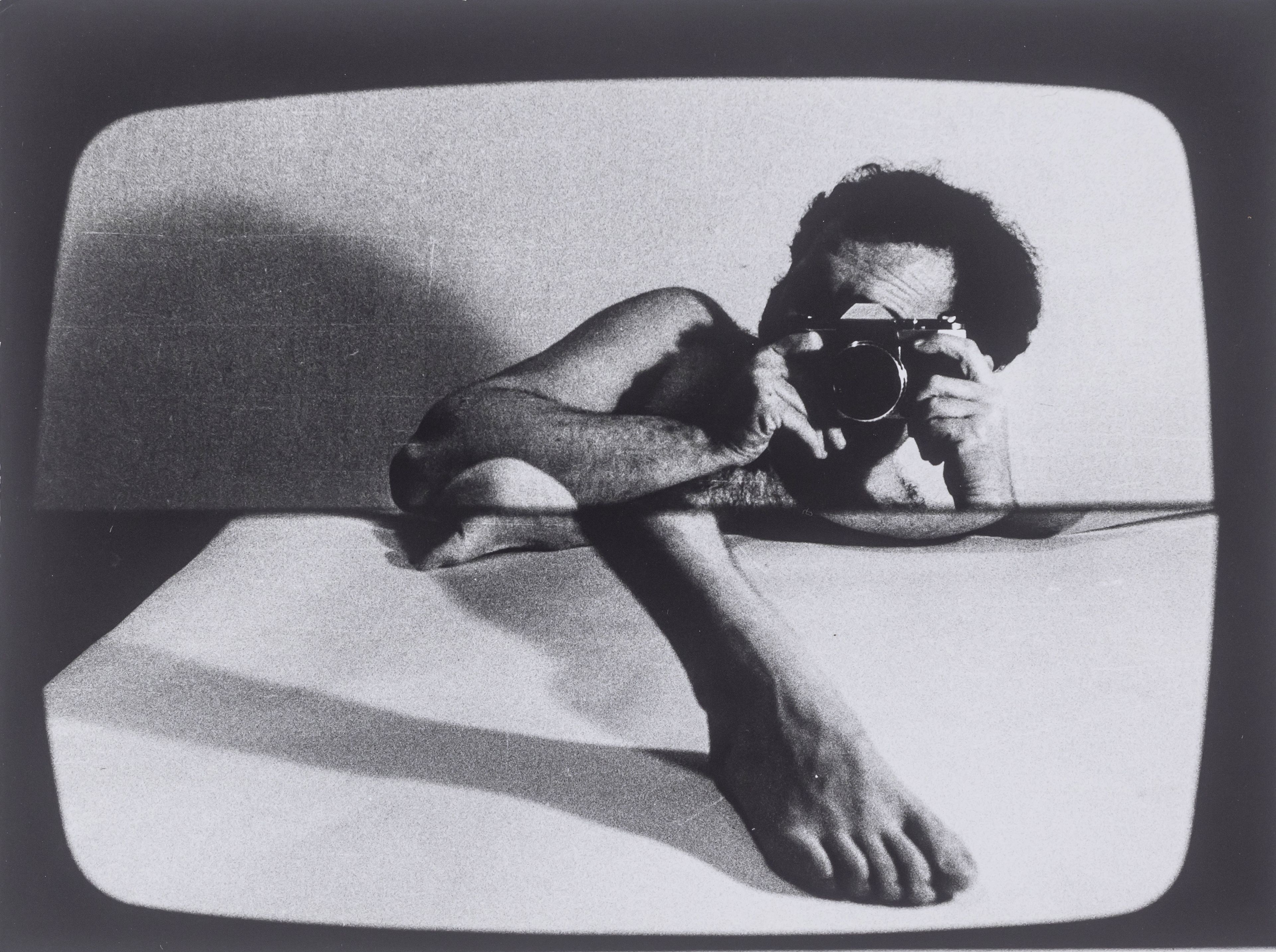
©Károly Halász, Vintage Galéria Budapest
Das vorherrschende Medium unserer Zeit, sein zentrales Werkzeug, ist der Bildschirm. Man kann es sogar als eine realisierte Utopie betrachten, dass wir heute eine Menge digitaler und audiovisueller Informationen fast ausschließlich auf diesem Wege erhalten. Die Geschichte des Bildschirms reicht zurück bis zur magischen Laterne, dann über das Kino und den Fernseher bis hin zum modernen Computer und Flachbildschirm.
Die Ausstellung behandelt dieses Thema durch Werke von den 1970er Jahren bis heute, die dieses Medium und seine Techniken verwenden und hinterfragen. Der Besucher trifft sowohl auf mittlerweile klassische Werke (Károly Halász, Gábor Bódy, András Lengyel, Péter Türk) als auch auf neuere Überlegungen zu diesem Medium.
Das Ausstellungsprojekt und das pädagogische Programm werden unter Beteiligung der Studenten und Lehrkräfte der Metropolitan University (Metropolitan Egyetem) durchgeführt.
SCREEN / ÉCRAN Variations on the technical image 1826–2026
The dominant media of our time, its central tool, is the screen. We can even consider as a realized utopia the fact that we are now receiving a mass of digital information and by...
Vrijdag 16 oktober, 17u00
Toegankelijkheidsvoorzieningen
Motorische beperking
©Károly Halász, Vintage Galéria Budapest
The dominant media of our time, its central tool, is the screen. We can even consider as a realized utopia the fact that we now receive a mass of digital and audiovisual information almost exclusively through this channel. The history of the screen goes back to the magic lantern, then through cinema and television to reach the computer and contemporary flat screens.
The exhibition addresses this theme through works, from the 1970s to today, that use and question this medium and its techniques. The visitor encounters both now classical works (Károly Halász, Gábor Bódy, András Lengyel, Péter Türk) and more recent reflections on this medium.
The exhibition project and the educational program are carried out with the participation of students and teachers from Metropolitan University (Metropolitan Egy1234).
SCREEN / ÉCRAN Variazioni sull'immagine tecnica 1826-2026
Il mezzo dominante del nostro tempo, il suo strumento centrale, è lo schermo. Si può anche considerare come un'utopia realizzata il fatto che oggi riceviamo una massa di informazioni digitali e per...
Vrijdag 16 oktober, 17u00
Toegankelijkheidsvoorzieningen
Motorische beperking
©Károly Halász, Vintage Galéria Budapest
Il mezzo dominante del nostro tempo, il suo strumento centrale, è lo schermo. Il fatto che oggi riceviamo un'enorme quantità di informazioni digitali e audiovisive quasi esclusivamente attraverso questo mezzo può essere considerato come un'utopia realizzata. La storia dello schermo risale alla lanterna magica, poi attraversa il cinema e la televisione per arrivare al computer e ai moderni schermi piatti.
L'esposizione affronta questo tema attraverso opere, dagli anni '70 ad oggi, che utilizzano e interrogano questo mezzo e le sue tecniche. Il visitatore incontra sia opere ormai classiche (Károly Halász, Gábor Bódy, András Lengyel, Péter Türk) che riflessioni più recenti su questo supporto.
Il progetto espositivo e il programma didattico sono realizzati con la partecipazione degli studenti e dei docenti della Metropolitan University (Metropolitan Egyetem).
SCREEN / ÉCRAN
Variations sur l’image technique 1826–2026
Le média dominant de notre époque, son outil central, est l’écran. On peut même considérer comme une utopie réalisée le fait que nous recevions aujourd’hui une masse d’informations numériques et par…
Vrijdag 16 oktober, 17u00
Toegankelijkheidsvoorzieningen
Motorische beperking
©Károly Halász, Vintage Galéria Budapest
Le média dominant de notre époque, son outil central, est l’écran. On peut même considérer comme une utopie réalisée le fait que nous recevions aujourd’hui une masse d’informations numériques et audiovisuelles presque exclusivement par ce biais. L’histoire de l’écran remonte à la lanterne magique, puis traverse le cinéma et la télévision pour aboutir à l’ordinateur et aux écrans plats contemporains.
L’exposition aborde ce thème à travers des œuvres, des années 1970 à aujourd’hui, qui utilisent et interrogent ce médium et ses techniques. Le visiteur y rencontre aussi bien des œuvres désormais classiques (Károly Halász, Gábor Bódy, András Lengyel, Péter Türk) que des réflexions plus récentes sur ce support.
Le projet d’exposition et le programme pédagogique sont réalisés avec la participation des étudiants et enseignants de l’Université Metropolitan (Metropolitan Egyetem).
SCREEN / ÉCRAN Variaciones sobre la imagen técnica 1826-2026
El medio dominante de nuestra época, su herramienta central, es la pantalla. Se puede incluso considerar como una utopía realizada el hecho de que hoy recibíamos una masa de información digital y por.
Vrijdag 16 oktober, 17u00
Toegankelijkheidsvoorzieningen
Motorische beperking
©Károly Halász, Vintage Galéria Budapest
El medio dominante de nuestra época, su herramienta central, es la pantalla. Incluso puede considerarse una utopía realizada el hecho de que hoy recibamos una masa de información digital y audiovisual casi exclusivamente por esta vía. La historia de la pantalla se remonta a la linterna mágica, luego pasa por el cine y la televisión para llegar al ordenador y las pantallas planas contemporáneas.
La exposición aborda este tema a través de obras, desde los años 1970 hasta hoy, que utilizan y cuestionan este medio y sus técnicas. El visitante encuentra tanto obras ya clásicas (Károly Halász, Gábor Bódy, András Lengyel, Péter Türk) como reflexiones más recientes sobre este soporte.
El proyecto de exposición y el programa pedagógico se realizan con la participación de los estudiantes y profesores de la Universidad Metropolitana (Metropolitan Egyetem).


