Freie Besichtigung der Kapelle Notre-Dame d'Alet
Diese Kapelle wurde im 11\. Jahrhundert nach einer Erscheinung der Gottesmutter erbaut, während der Religionskriege zerstört und im Jahr 1673 wieder aufgebaut. Das sind die Dorfbewohner und der Einhei
Condizioni
Gratuito. Senza prenotazione.
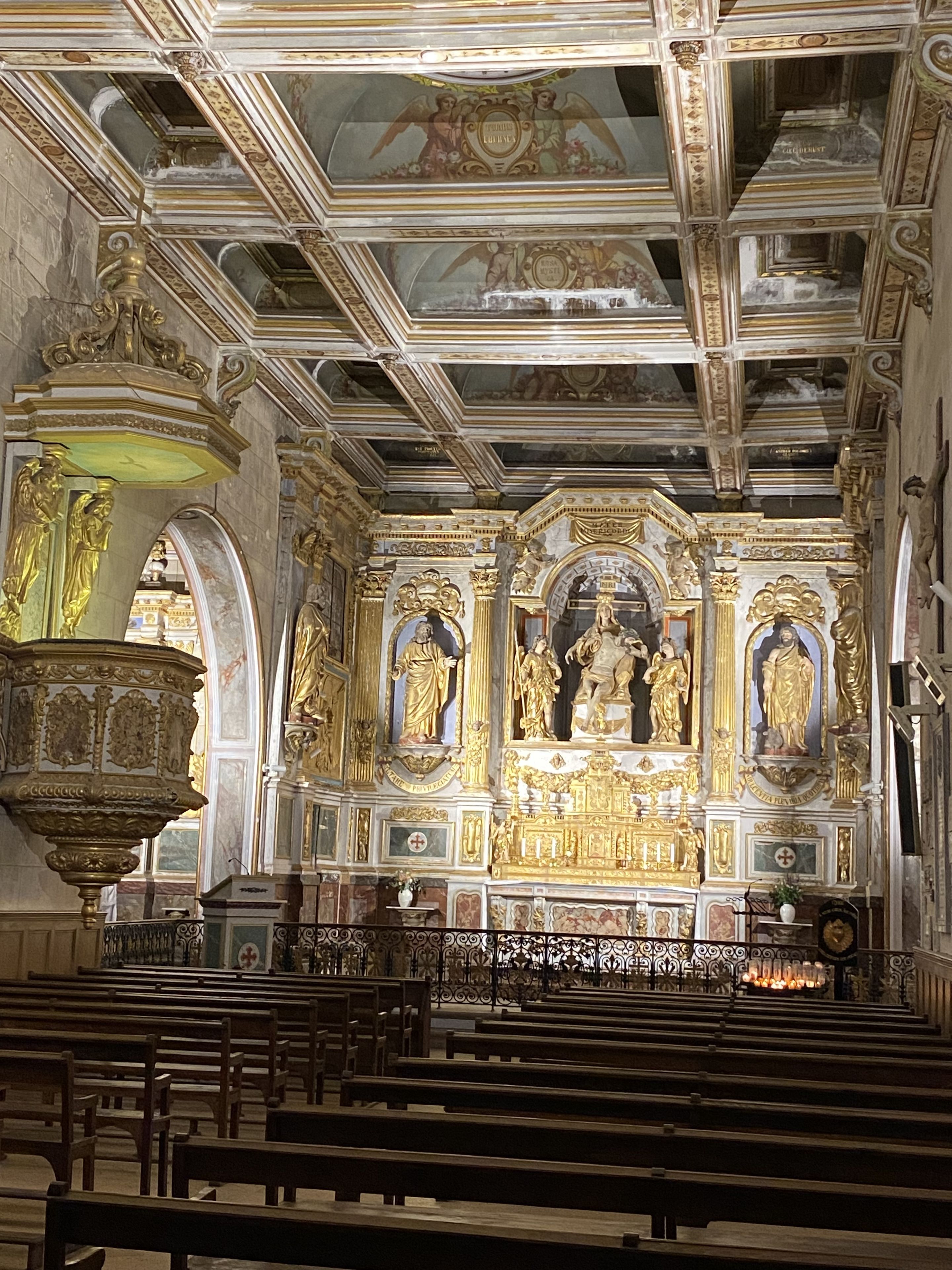
©Isabelle BALSAN
Diese Kapelle wurde im 11. Jahrhundert nach einer Erscheinung der Jungfrau erbaut. Während der Religionskriege zerstört, wurde sie 1673 dank der Finanzierung und Arbeit der Dorfbewohner und des örtlichen Lords wieder aufgebaut.
Sie beherbergt insbesondere ein barockes Altarbild, eine Pietà im burgundischen Stil sowie eine Pietà aus Terrakotta aus dem 17. Jahrhundert, die einst außerhalb der Kapelle zu sehen war.
Im Jahr 1679 wurde von Pierre Barrière, einem Maurer aus Montaigut, ein Kloster für die Pilger errichtet. Im Jahr 1683 erhielt er ein Eingangstor unter der Schirmherrschaft des Marquis Le Masuyer. Das Kloster beherbergte die Gläubigen vor ihrem Eintritt in das Heiligtum.
Die Kapelle besitzt auch sieben Glasfenster, die im 19. Jahrhundert vom Glasmachermeister Victor Gesta geschaffen wurden. Darunter eine Rosette westlich des Kirchenschiffs. Ihre Motive erzählen die Geschichte des Ortes.
Die im 11. Jahrhundert stark frequentierte Kapelle geriet nach und nach in Vergessenheit, als sich die Pilger zunächst der heiligen Germaine de Pibrac und dann der heiligen Bernadette von Lourdes zuwandten.
Ein Barockgebäude voller Geschichte, das es zu entdecken gilt.
Self-guided tour of the chapel of Notre-Dame d'Alet
This chapel was built in the 11th century, following an apparition of the Virgin, it was destroyed during the wars of religion, then rebuilt in 1 673\. These are the villagers and the local ...
Condizioni
Gratuito. Senza prenotazione.
©Isabelle BALSAN
This chapel was built in the 11th century following an apparition of the Virgin. Destroyed during the Wars of Religion, it was rebuilt in 1673 thanks to the funding and work of the villagers and the local lord.
It notably houses a baroque altarpiece, a Pietà in the Burgundian style as well as a 17th-century terracotta Pietà, which was once visible outside the chapel.
In 1679, a cloister was built by Pierre Barrière, mason of Montaigut, to welcome the pilgrims. In 1683, it was endowed with a gateway under the aegis of Marquis Le Masuyer. The cloister sheltered the faithful before they entered the sanctuary.
The chapel also has seven stained glass windows made in the 19th century by master glassmaker Victor Gesta. Among them, a rose window located west of the nave. Their motives tell the story of the place.
Very popular in the 11th century, the chapel gradually fell into oblivion when pilgrims turned to Saint Germaine de Pibrac, then to Saint Bernadette of Lourdes.
A baroque building full of history to discover.
Visita libera della cappella di Notre-Dame d'Alet
Questa cappella fu costruita nell'XI secolo, a seguito di un'apparizione della Vergine, fu distrutta durante le guerre di religione e poi ricostruita nel 1673\. Sono gli abitanti del villaggio e i loc
Condizioni
Gratuito. Senza prenotazione.
©Isabelle BALSAN
Questa cappella fu costruita nell'XI secolo a seguito di un'apparizione della Vergine. Distrutta durante le guerre di religione, fu ricostruita nel 1673 grazie al finanziamento e al lavoro degli abitanti del villaggio e del signore locale.
Ospita un retablo barocco, una Pietà in stile borgognone e una Pietà in terracotta del XVII secolo, precedentemente visibile all'esterno della cappella.
Nel 1679, un chiostro fu costruito da Pierre Barrière, un muratore di Montaigut, per accogliere i pellegrini. Nel 1683 fu dotata di una porta d'ingresso sotto l'egida del marchese Le Masuyer. Il chiostro ospitava i fedeli prima della loro entrata nel santuario.
La cappella possiede anche sette vetrate realizzate nel XIX secolo dal maestro vetraio Victor Gesta. Tra questi, un rosone situato a ovest della navata. I loro motivi raccontano la storia del luogo.
Molto frequentata nell'XI secolo, la cappella cadde progressivamente nell'oblio quando i pellegrini si volsero verso santa Germaine de Pibrac e poi verso santa Bernadette di Lourdes.
Un edificio barocco ricco di storia da scoprire.
Visite libre de la chapelle de Notre-Dame d'Alet
Cette chapelle fut construite au 11ème siècle, suite à une apparition de la Vierge, elle fut détruite pendant les guerres de religion, puis reconstruite en 1 673. Ce sont les villageois et le local …
Condizioni
Gratuito. Senza prenotazione.
©Isabelle BALSAN
Cette chapelle fut construite au XIe siècle à la suite d’une apparition de la Vierge. Détruite pendant les guerres de Religion, elle fut reconstruite en 1673 grâce au financement et au travail des villageois et du seigneur local.
Elle abrite notamment un retable baroque, une Pietà de style bourguignon ainsi qu’une Pietà en terre cuite du XVIIe siècle, autrefois visible à l’extérieur de la chapelle.
En 1679, un cloître fut bâti par Pierre Barrière, maçon de Montaigut, afin d’accueillir les pèlerins. En 1683, il fut doté d’une porte d’entrée sous l’égide du marquis Le Masuyer. Le cloître abritait les fidèles avant leur entrée dans le sanctuaire.
La chapelle possède également sept vitraux réalisés au XIXe siècle par le maître verrier Victor Gesta. Parmi eux, une rosace située à l’ouest de la nef. Leurs motifs racontent l’histoire du lieu.
Très fréquentée au XIe siècle, la chapelle tomba progressivement dans l’oubli lorsque les pèlerins se tournèrent vers sainte Germaine de Pibrac, puis vers sainte Bernadette de Lourdes.
Un édifice baroque chargé d’histoire à découvrir.
Visita libre de la capilla de Nuestra Señora de Alet
Esta capilla fue construida en el siglo XI, tras una aparición de la Virgen, fue destruida durante las guerras de religión y luego reconstruida en 1673\. Son los aldeanos y el local...
Condizioni
Gratuito. Senza prenotazione.
©Isabelle BALSAN
Esta capilla fue construida en el siglo XI tras una aparición de la Virgen. Destruida durante las guerras de religión, fue reconstruida en 1673 gracias a la financiación y al trabajo de los aldeanos y del señor local.
Alberga un retablo barroco, una Pietà de estilo borgoñón y una Pietà en terracota del siglo XVII, que antes se podía ver fuera de la capilla.
En 1679, un claustro fue construido por Pierre Barrière, albañil de Montaigut, para recibir a los peregrinos. En 1683, fue dotado de una puerta de entrada bajo la égida del marqués Le Masuyer. El claustro albergaba a los fieles antes de su entrada en el santuario.
La capilla tiene también siete vidrieras realizadas en el siglo XIX por el maestro vidriero Víctor Gesta. Entre ellos, un rosetón situado al oeste de la nave. Sus motivos cuentan la historia del lugar.
Muy frecuentada en el siglo XI, la capilla cayó progresivamente en el olvido cuando los peregrinos se dirigieron a santa Germaine de Pibrac y luego a santa Bernadette de Lourdes.
Un edificio barroco lleno de historia por descubrir.

