Treffen mit der Historikerin Judith Lyon-Caen
Treffen mit der Historikerin Judith Lyon-Caen
Samedi 19 septembre, 15h30
Conditions
Limité à 50 personnes
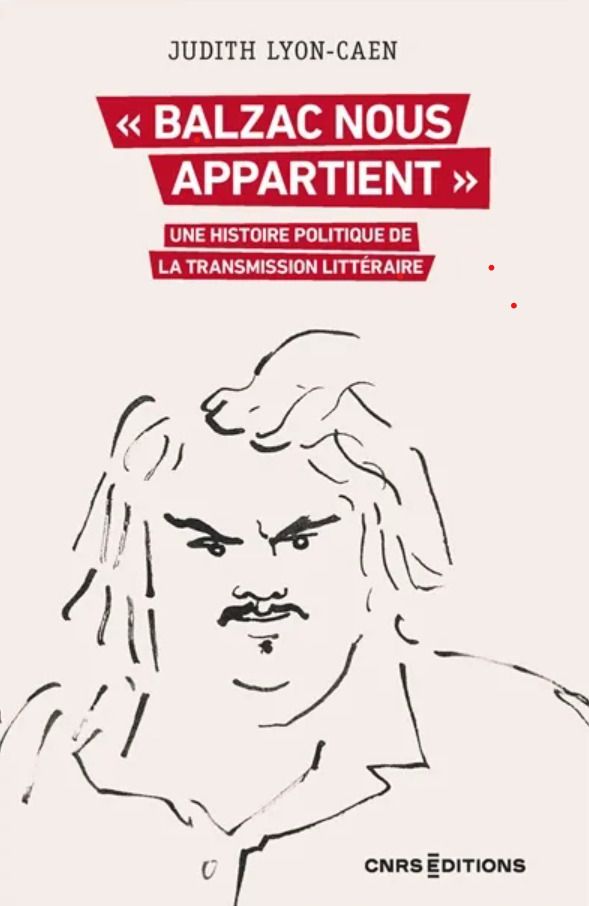
©CNRS EDITIONS
Die Europäischen Tage des Kulturerbes 2026 sind der literarischen Aktualität gewidmet. Die menschliche Komödie.
Nach dem Tod von Balzac, am 2. September 1850, schreibt Sainte Beuve in Le Constitutionnel: "Der Autor von Eugénie Grandet wird leben". Alles ist gesagt. Eine Tatsache ist, dass Balzac, der seinerzeit von der Kritik schlecht behandelt wurde, zum literarischen Erbe gehört und seine Nachwelt gesichert ist.
Um dieses Phänomen noch besser zu verstehen, laden wir die Historikerin Judith Lyon-Caen ein, die gerade veröffentlicht hat: B_alzac gehört uns. Eine politische Geschichte der literarischen Weitergabe (CNRS Editionen).
Spannendes Werk, das die Aneignung des Schriftstellers durch alle untersucht, zum Guten wie zum Schlechten, denn vor allem ist Balzac polymorph. Realistisch, visionär, mystisch, positivistisch... Balzac, revolutionärer Schriftsteller, Balzac, konservativer Schriftsteller, der von Victor Hugo oder der von Barbey d'Aurevilly...
"Balzac lesen", "in Balzac eintreten", "Balzac lieben", "über Balzac sprechen": Sein Buch erzählt auch von den tausend Möglichkeiten, Balzac zu lieben und weiterzugeben.
Der Autor von Die menschliche Komödie wurde von allen Parteien, allen politischen Strömungen übernommen: vom roten Balzac der Marxisten über den Balzac "Vorläufer des Faschismus" von Maurice Bardèche bis hin zu einem ganzen Farbkatalog des reaktionären, konservativen oder progressiven Balzac - wir durchqueren mit Judith Lyon-Caen, das 20. Jahrhundert und seine Umwälzungen und seine Zerrissenen. Mit großer Freude hatten wir die Historikerin 2018 für ihr Buch La lecture et la vie (Lesen und Leben) empfangen. Die Gebräuche des Romans in der Zeit von Balzac.
Mit Judith Lyon-Caen werden wir auch die Stimme der Lesungen der Nachkriegszeit hören, die düsteren Lesungen von Jean-Louis Bory oder die von Jean Cayrol, der nach seiner Rückkehr aus der Deportation das "Haus Balzac" zu einem Ort machte, um wieder mit der Menschheit zu beginnen.
Judith Lyon-Caen ist Historikerin und Studiendirektorin an der EHESS. Seine Studien befassen sich mit den gesellschaftlichen Verwendungen der Literatur im 19. und 20. Jahrhundert sowie mit der Geschichte des Zeugnisses für die Shoah. Sie hat insbesondere veröffentlicht Der Historiker und die Literatur (mit Dinah Ribard, Éditions de La Découverte, 2010) und Die Zeitmarke: Was die Geschichte über die Literatur sagen kann (Gallimard, 2019).
Meeting with the historian Judith Lyon-Caen
Meeting with the historian Judith Lyon-Caen
Samedi 19 septembre, 15h30
Conditions
Limité à 50 personnes
©CNRS EDITIONS
The European Heritage Days 2026 are devoted to literary news around The human comedy.
In the aftermath of Balzac’s death, on 2 September 1850, Sainte Beuve wrote in Le Constitutionnel, "the author of Eugénie Grandet will live." All is said. One fact is obvious: Balzac, mistreated in his time by criticism, is part of the literary heritage and its posterity is assured.
To better understand this phenomenon, we invite the historian Judith Lyon-Caen who has just published, B_alzac belongs to us. A political history of literary transmission _ (CNRS editions).
Fascinating work that studies the appropriation of the writer by everyone for better and for worse, because above all, Balzac is polymorphic. Realistic, visionary, mystical, positivist... Balzac, revolutionary writer, Balzac, conservative writer, that of Victor Hugo or that of Barbey d'Aurevilly...
«Lire Balzac», «Entrer dans Balzac», «aimer Balzac», «parler de Balzac»: his book also evokes the thousand ways of loving and transmitting Balzac.
The author of The human comedy has been appropriated by all parties, all political tendencies: from the Red Balzac of Marxists to Maurice Bardèche’s Balzac “ancestor of fascism,” through a whole range of reactionary, conservative, or progressive Balzac, we are crossing with Judith Lyon-Caen the twentieth century and its upheavals and riots. With great pleasure, we received, in 2018, the historian for her book Reading and Life. The uses of the novel in Balzac’s time.
With Judith Lyon-Caen, we will also hear the voices of post-war readings, the dark readings of Jean-Louis Bory or that of Jean Cayrol, who, having returned from deportation, made the "Balzac house" a space for reconnecting with humanity.
Judith Lyon-Caen is a historian and director of studies at the EHESS. His studies focus on the social uses of literature in the nineteenth and twentieth centuries and on the history of the testimony of the Holocaust. She notably published The historian and literature (with Dinah Ribard, Éditions de La Découverte, 2010) and The influence of time: what history can say about literature (Gallimard, 2019).
Incontro con la storica Judith Lyon-Caen
Incontro con la storica Judith Lyon-Caen
Samedi 19 septembre, 15h30
Conditions
Limité à 50 personnes
©CNRS EDITIONS
Le Giornate europee del patrimonio 2026 sono dedicate all'attualità letteraria intorno a La commedia umana.
All'indomani della morte di Balzac, il 2 settembre 1850, Sainte Beuve scrive in Le Constitutionnel: «l'autore di Eugénie Grandet vivrà». Tutto è detto. Un fatto si impone, Balzac, maltrattato a suo tempo dalla critica, fa parte del patrimonio letterario e la sua posterità è assicurata.
Per comprendere ancora meglio questo fenomeno, invitiamo la storica Judith Lyon-Caen che ha appena pubblicato, B_alzac ci appartiene. Una storia politica della trasmissione letteraria (CNRS éditions).
Appassionante opera che studia l'appropriazione dello scrittore da parte di tutti, nel bene e nel male, perché prima di tutto, Balzac è polimorfo. Realista, visionario, mistico, positivista... Balzac, scrittore rivoluzionario, Balzac, scrittore conservatore, quello di Victor Hugo o quello di Barbey d'Aurevilly...
"Leggere Balzac", "Entrare in Balzac", "amare Balzac", "parlare di Balzac": il suo libro evoca anche i mille modi di amare e trasmettere Balzac.
L'autore di La commedia umana è stato adottato da tutti i partiti, tutte le tendenze politiche: dal Balzac rosso dei marxisti al Balzac "antenato del fascismo" di Maurice Bardèche, passando per un intero catalogo di Balzac reazionari, conservatori o progressisti, attraversiamo con Judith Lyon-Caen, il XX secolo e i suoi sconvolgimenti e lacerazioni. Con immenso piacere, nel 2018 abbiamo ricevuto la storica per il suo libro La lettura e la vita. Gli usi del romanzo al tempo di Balzac.
Con Judith Lyon-Caen sentiremo anche la voce delle letture del dopoguerra, le letture tenebrose di Jean-Louis Bory o quella di Jean Cayrol che, tornato dalla deportazione, fece della "casa Balzac" uno spazio per riconnettersi con l'umanità.
Judith Lyon-Caen è una storica, direttrice di studi all'EHESS. I suoi studi si concentrano sugli usi sociali della letteratura nei secoli XIX e XX e sulla storia della testimonianza della Shoah. In particolare, ha pubblicato Lo storico e la letteratura (con Dinah Ribard, Éditions de La Découverte, 2010) e La griffe du temps: ciò che la storia può dire della letteratura (Gallimard, 2019).
Rencontre avec l'historienne Judith Lyon-Caen
Rencontre avec l'historienne Judith Lyon-Caen
Samedi 19 septembre, 15h30
Conditions
Limité à 50 personnes
©CNRS EDITIONS
Les Journées européennes du Patrimoine 2026 sont consacrées à l'actualité littéraire autour de La Comédie humaine.
Au lendemain de la mort de Balzac, le 2 septembre 1850, Sainte Beuve écrit dans Le Constitutionnel, « l’auteur d’Eugénie Grandet vivra ». Tout est dit. Un fait s'impose, Balzac, maltraité en son temps par la critique, fait partie du patrimoine littéraire et sa postérité est assurée.
Pour encore mieux comprendre ce phénomène, nous invitons l'historienne Judith Lyon-Caen qui vient de publier, B_alzac nous appartient. Une histoire politique de la transmission littéraire_ (CNRS éditions).
Passionnant ouvrage qui étudie l'appropriation de l'écrivain par tout un chacun pour le meilleur et pour le pire, car avant tout, Balzac est polymorphe. Réaliste, visionnaire, mystique, positiviste… Balzac, écrivain révolutionnaire, Balzac, écrivain conservateur, celui de Victor Hugo ou celui de Barbey d’Aurevilly…
« Lire Balzac », « Entrer dans Balzac », « aimer Balzac », « parler de Balzac », : son livre évoque aussi les mille façons d’aimer et de transmettre Balzac.
L'auteur de La Comédie humaine a été approprié par tous les partis, toutes les tendances politiques: du Balzac rouge des marxistes au Balzac « ancêtre du fascisme » de Maurice Bardèche, en passant par tout un nuancier de Balzac réactionnaires, conservateurs ou progressistes, nous traversons avec Judith Lyon-Caen le XXe siècle et ses bouleversements et ses déchirements. Avec un immense plaisir, nous avions reçu, en 2018, l’historienne pour son ouvrage La lecture et la vie. Les usages du roman au temps de Balzac.
Avec Judith Lyon-Caen nous entendrons aussi la voix des lectures de l'après-guerre, les lectures ténébreuses de Jean-Louis Bory ou celle de Jean Cayrol, qui, revenu de déportation, fit de la « maison Balzac » un espace pour renouer avec l'humanité.
Judith Lyon-Caen est historienne, directrice d’études à l’EHESS. Ses études portent sur les usages sociaux de la littérature aux XIXème et XXème siècles et sur l’histoire du témoignage de la Shoah. Elle a notamment publié L’historien et la littérature (avec Dinah Ribard, Éditions de La Découverte, 2010) et La griffe du temps : ce que l’histoire peut dire de la littérature (Gallimard, 2019).
Encuentro con la historiadora Judith Lyon-Caen
Encuentro con la historiadora Judith Lyon-Caen
Samedi 19 septembre, 15h30
Conditions
Limité à 50 personnes
©CNRS EDITIONS
Las Jornadas Europeas del Patrimonio 2026 están dedicadas a la actualidad literaria en torno a La comedia humana.
Al día siguiente de la muerte de Balzac, el 2 de septiembre de 1850, Sainte Beuve escribe en Le Constitutionnel: «l'auteur d'Eugénie Grandet vivra». Todo está dicho. Un hecho se impone: Balzac, maltratado en su momento por la crítica, forma parte del patrimonio literario y su posteridad está asegurada.
Para entender mejor este fenómeno, invitamos a la historiadora Judith Lyon-Caen que acaba de publicar: B_alzac nos pertenece. Una historia política de la transmisión literaria (CNRS éditions).
Apasionante obra que estudia la apropiación del escritor por parte de todo el mundo para bien y para mal, porque sobre todo, Balzac es polimorfo. Realista, visionario, místico, positivista... Balzac, escritor revolucionario, Balzac, escritor conservador, el de Victor Hugo o el de Barbey d'Aurevilly...
«Leer a Balzac», «Entrar en Balzac», «amar a Balzac», «hablar de Balzac»: su libro evoca también las mil formas de amar y transmitir a Balzac.
El autor de La comedia humana ha sido adoptado por todos los partidos, todas las tendencias políticas: desde el Balzac rojo de los marxistas hasta el Balzac "antepasado del fascismo" de Maurice Bardèche, pasando por toda una lista de colores de Balzac reaccionarios, conservadores o progresistas, lo atravesamos con Judith Lyon-Caen, el siglo XX y sus transformaciones y desgarros. En 2018, recibimos con gran placer a la historiadora por su libro La lectura y la vida. Los usos de la novela en el tiempo de Balzac.
Con Judith Lyon-Caen escucharemos también la voz de las lecturas de la posguerra, las lecturas tenebrosas de Jean-Louis Bory o la de Jean Cayrol, que, al regresar de la deportación, hizo de la «casa Balzac» un espacio para volver a conectar con la humanidad.
Judith Lyon-Caen es historiadora, directora de estudios en la EHESS. Sus estudios versan sobre los usos sociales de la literatura en los siglos XIX y XX y sobre la historia del testimonio de la Shoah. En particular, ha publicado Historiador y literatura (con Dinah Ribard, Éditions de La Découverte, 2010) y La griffe du temps: lo que la historia puede decir de la literatura (Gallimard, 2019).

