Theaterlesung von "L'Étranger" von Albert Camus
Theaterlesung von "L'Étranger" von Albert CAMUS
Saturday 19 September, 16:00
Conditions
Free. Free entry.
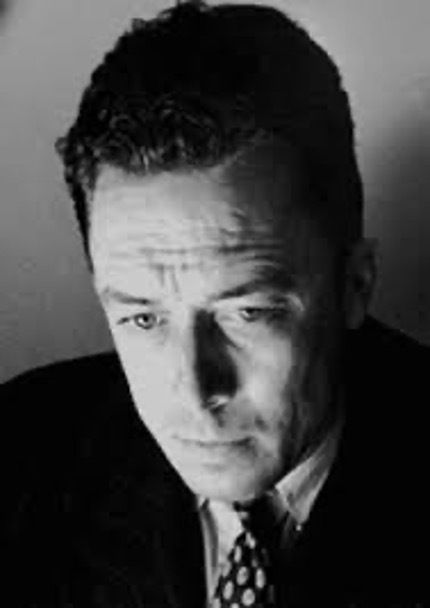
©
Theaterlesung von L'Étranger von Albert Camus
Mit Emmanuel Franval, Komiker, begleitet auf der Harfe von Martine Flaissier.
Veröffentlicht 1942, nimmt L'Étranger eine wesentliche Stellung im Werk von Albert Camus ein. Mit dem Sisyphos-Mythos ist der Roman einer der ersten großen Meilensteine seiner Reflexion über das Absurde. Durch die Figur des Meursault, eines gewöhnlichen Menschen, der von sozialen Konventionen losgelöst ist und nicht in der Lage ist, Gefühle vorzutäuschen, die er nicht empfindet, hinterfragt Camus das menschliche Dasein angesichts der offensichtlichen Sinnlosigkeit der Welt.
Verurteilt sowohl wegen seiner scheinbaren Gleichgültigkeit gegenüber dem Tod seiner Mutter als auch wegen des von ihm begangenen Mordes, wird Meursault zu einer symbolträchtigen Figur der Einsamkeit, der Beziehung zur Gerechtigkeit, der Wahrheit des Seins und der Auseinandersetzung mit dem Tod.
Durch seinen nüchternen Stil, seine kurzen Sätze und den neutralen Ton bricht L'Étranger mit den psychologischen Traditionen des 19. Jahrhunderts und prägt die moderne Literatur zutiefst.
Geboren im April 1952 in Bordeaux, absolvierte Emmanuel Franval ein literarisches und pädagogisches Studium sowie drei Jahre Theaterausbildung am Konservatorium von Bordeaux. Theaterkomiker zwischen Paris und Marseille, er hat etwa hundert Stücke von Molière, Racine, Ionesco, Labiche, Courteline, Brisville, Brecht oder Anouilh aufgeführt. Zwischen 1995 und 1996 adaptierte er zwei Romane von Hervé Guibert, die sich dem Thema AIDS widmeten, unter dem Titel Le Sang démasqué (Das enttarnte Blut), eine Show, die er hundert Mal interpretiert.
Theatrical reading of "L'Étranger" by Albert Camus
Theatrical reading of "L'Étranger" by Albert CAMUS
Saturday 19 September, 16:00
Conditions
Free. Free entry.
©
Theatrical reading of L'Étranger by Albert Camus
With Emmanuel Franval, actor, accompanied on the harp by Martine Flaissier.
Published in 1942, L'Étranger holds an essential place in the work of Albert Camus. With The Myth of Sisyphus, the novel is one of the first great milestones in his reflection on the absurd. Through the character of Meursault, an ordinary man detached from social conventions and unable to feign feelings he does not feel, Camus questions the human condition in the face of the obvious absence of meaning in the world.
Condemned as much for his apparent indifference to the death of his mother as for the murder he committed, Meursault becomes an emblematic figure of solitude, of the relationship with justice, of the truth of being and of confrontation with death.
With its sober style, short sentences and neutral tone, L'Étranger breaks with the psychological traditions of the 19th century and profoundly marks modern literature.
Born in April 1952 in Bordeaux, Emmanuel Franval studied literature and education sciences, as well as three years of theatrical training at the Bordeaux conservatory. Theatre actor between Paris and Marseille, he has performed a hundred plays by Molière, Racine, Ionesco, Labiche, Courteline, Brisville, Brecht or even Anouilh. Between 1995 and 1996, he adapted two novels by Hervé Guibert devoted to AIDS under the title Le Sang démasqué, a show that he performed a hundred times.
Lettura teatrale de "L'Étranger" di Albert Camus
Lettura teatrale de "L'Étranger" di Albert CAMUS
Saturday 19 September, 16:00
Conditions
Free. Free entry.
©
Lettura teatrale de L'Étranger di Albert Camus
Con Emmanuel Franval, attore, accompagnato all'arpa da Martine Flaissier.
Pubblicato nel 1942, L'Étranger occupa un posto essenziale nell'opera di Albert Camus. Insieme al Mito di Sisifo, il romanzo costituisce una delle prime grandi pietre miliari della sua riflessione sull'assurdo. Attraverso il personaggio di Meursault, uomo ordinario distaccato dalle convenzioni sociali e incapace di fingere sentimenti che non prova, Camus interroga la condizione umana di fronte all'assenza di un senso evidente del mondo.
Condannato sia per la sua apparente indifferenza alla morte della madre che per l'omicidio commesso, Meursault diventa una figura emblematica della solitudine, del rapporto con la giustizia, della verità dell'essere e del confronto con la morte.
Con il suo stile sobrio, le frasi brevi e il tono neutro, L'Étranger rompe con le tradizioni psicologiche del XIX secolo e segna profondamente la letteratura moderna.
Nato nell'aprile 1952 a Bordeaux, Emmanuel Franval ha seguito studi letterari e di scienze dell'educazione, nonché tre anni di formazione teatrale al conservatorio di Bordeaux. Comico di teatro tra Parigi e Marsiglia, ha interpretato un centinaio di opere di Molière, Racine, Ionesco, Labiche, Courteline, Brisville, Brecht o ancora Anouilh. Tra il 1995 e il 1996, ha adattato due romanzi di Hervé Guibert dedicati all'AIDS sotto il titolo Le Sang démasqué, spettacolo che ha interpretato un centinaio di volte.
Lecture théâtrale de « L’Étranger » d’Albert Camus
Lecture théâtrale de « L’Étranger » d’Albert CAMUS
Saturday 19 September, 16:00
Conditions
Free. Free entry.
©
Lecture théâtrale de L’Étranger d’Albert Camus
Avec Emmanuel Franval, comédien, accompagné à la harpe par Martine Flaissier.
Publié en 1942, L’Étranger occupe une place essentielle dans l’œuvre d’Albert Camus. Avec Le Mythe de Sisyphe, le roman constitue l’un des premiers grands jalons de sa réflexion sur l’absurde. À travers le personnage de Meursault, homme ordinaire détaché des conventions sociales et incapable de feindre des sentiments qu’il n’éprouve pas, Camus interroge la condition humaine face à l’absence de sens évident du monde.
Condamné autant pour son indifférence apparente à la mort de sa mère que pour le meurtre qu’il a commis, Meursault devient une figure emblématique de la solitude, du rapport à la justice, de la vérité de l’être et de la confrontation à la mort.
Par son style sobre, ses phrases courtes et son ton neutre, L’Étranger rompt avec les traditions psychologiques du XIXe siècle et marque profondément la littérature moderne.
Né en avril 1952 à Bordeaux, Emmanuel Franval a suivi des études littéraires et de sciences de l’éducation, ainsi que trois années de formation théâtrale au conservatoire de Bordeaux. Comédien de théâtre entre Paris et Marseille, il a interprété une centaine de pièces, de Molière, Racine, Ionesco, Labiche, Courteline, Brisville, Brecht ou encore Anouilh. Entre 1995 et 1996, il adapte deux romans d’Hervé Guibert consacrés au sida sous le titre Le Sang démasqué, spectacle qu’il interprète une centaine de fois.
Lectura teatral de "L'Étranger" de Albert Camus
Lectura teatral de "L'Étranger" de Albert CAMUS
Saturday 19 September, 16:00
Conditions
Free. Free entry.
©
Lectura teatral de L'Étranger de Albert Camus
Con Emmanuel Franval, actor, acompañado al arpa por Martine Flaissier.
Publicado en 1942, L'Étranger ocupa un lugar esencial en la obra de Albert Camus. Con El mito de Sísifo, la novela constituye uno de los primeros grandes hitos de su reflexión sobre lo absurdo. A través del personaje de Meursault, hombre ordinario desprendido de las convenciones sociales e incapaz de fingir sentimientos que no experimenta, Camus interroga la condición humana frente a la ausencia de sentido evidente del mundo.
Condenado tanto por su aparente indiferencia a la muerte de su madre como por el asesinato que cometió, Meursault se convierte en una figura emblemática de la soledad, de la relación con la justicia, de la verdad del ser y de la confrontación con la muerte.
Por su estilo sobrio, sus frases cortas y su tono neutro, L'Étranger rompe con las tradiciones psicológicas del siglo XIX y marca profundamente la literatura moderna.
Nacido en abril de 1952 en Burdeos, Emmanuel Franval estudió literatura y ciencias de la educación, así como tres años de formación teatral en el conservatorio de Burdeos. Comediante de teatro entre París y Marsella, ha interpretado un centenar de obras de Molière, Racine, Ionesco, Labiche, Courteline, Brisville, Brecht o incluso Anouilh. Entre 1995 y 1996, adaptó dos novelas de Hervé Guibert dedicadas al sida bajo el título Le Sang démasqué, espectáculo que interpretó un centenar de veces.

