Workshop: Die Entdeckung des Pastellstils
Die Entdeckung der Kunst des Pastellfärbens
Conditions
Free. Groups limited to 50 people.
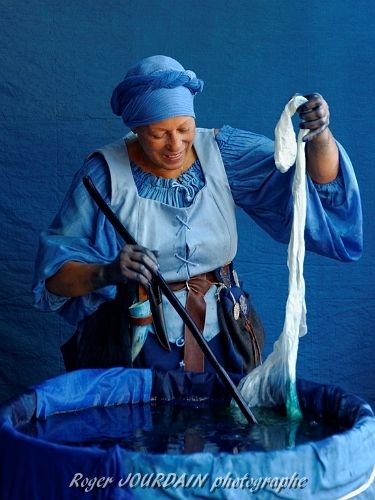
©Roger Jourdain Photographie
Die Entdeckung der Kunst des Pastellfärbens
Mit Denise und Mariam Lambert - Atelier Bleus Pastel Occitanie
Entdecken Sie die faszinierende Geschichte von Pastel und lassen Sie sich von der Magie seiner Färbung überraschen!
Kultpflanze des Südwestens, das Färberpastell (Isatis tinctoria) trägt zahlreiche Namen in ganz Europa: Guesde oder Vouède in Frankreich, Woad in England, Waid in Deutschland, Guado in Italien... Diese Tinktorialpflanze, die einst auch für ihre medizinischen und heilenden Eigenschaften bekannt war, hat eine bedeutende Rolle in der Wirtschafts- und Handwerksgeschichte unserer Region gespielt.
Von der Antike, als die Ägypter es zum Färben der Streifen ihrer Mumien verwendeten, bis zur Renaissance hat das Pastell nicht aufgehört zu faszinieren. Im 12. Jahrhundert machte er den Reichtum der Picardie und von Amiens aus. Ab dem 15. Jahrhundert entwickelte sich seine Kultur im Südwesten. In der Renaissance wurde Toulouse zu einem der großen europäischen Zentren des blauen Handels. Die berühmten "Pays de Cocagne" verdanken ihren Namen den kostbaren Pastellkugeln, sogenannten Coques oder Cocagnes, die früher zu Goldpreisen verkauft wurden.
Ein lebendiges Erbe
Durch diese Entdeckung laden Denise und Mariam Lambert Sie ein, in die Vergangenheit zu reisen und zu verstehen, warum das Pastell die Geschichte von Okzitanien tief geprägt hat.
Sie werden die verschiedenen Schritte entdecken, die es ermöglichen, die Farbe zu extrahieren und zu enthüllen, aber auch die Gesten und das übertragene Wissen um diese außergewöhnliche Pflanze.
Beobachten, verstehen, experimentieren... und sehen, wie die Farbe erscheint.
Anlässlich der Europäischen Tage des Kulturerbes 2026 kommen Sie, um traditionelles Know-how kennenzulernen und zu entdecken, wie eine Pflanze, die seit Jahrhunderten in unseren Regionen angebaut wird, heute noch immer die Schöpfer inspiriert.
Workshop: discovering pastel
Discovering the art of pastel dying
Conditions
Free. Groups limited to 50 people.
©Roger Jourdain Photographie
Discovering the art of pastel dying
With Denise and Mariam Lambert - Atelier Bleus Pastel Occitanie
Come and discover the fascinating history of Pastel and let yourself be surprised by the magic of its dyeing!
Emblematic plant of the Southwest, the Pastel des teinturiers (Isatis tinctoria) bears many names across Europe: Guesde or Vouède in France, Woad in England, Waid in Germany, Guado in Italy... This tinctorial plant, once also recognized for its medicinal and healing properties, has played a major role in the economic and artisanal history of our region.
From ancient times, when the Egyptians used it to dye the strips of their mummies, until the Renaissance, pastel never ceased to fascinate. In the 12th century, it made the wealth of Picardy and Amiens. Then, from the 15th century, its culture developed in the Southwest. During the Renaissance, Toulouse became one of the major European centers for trade in blue. The famous "pays de Cocagne" owes their name to the precious balls of Pastel, called cockles or cocagnes, which were once sold at a high price.
A living heritage
Through this discovery, Denise and Mariam Lambert invite you to go back in time and understand why Pastel has profoundly marked the history of Occitanie.
You will discover the different steps that allow to extract and reveal the color, but also the gestures and knowledge transmitted around this exceptional plant.
Observing, understanding, experimenting... and seeing color appear.
On the occasion of the European Heritage Days 2026, come and meet traditional know-how and discover how a plant cultivated for centuries in our regions continues to inspire creators today.
Workshop: alla scoperta del pastello
Alla scoperta dell'arte della tintura a pastello
Conditions
Free. Groups limited to 50 people.
©Roger Jourdain Photographie
Alla scoperta dell'arte della tintura a pastello
Con Denise e Mariam Lambert - Atelier Bleus Pastel Occitanie
Venite a scoprire l'affascinante storia del Pastel e lasciatevi sorprendere dalla magia della sua tintura!
Pianta emblematica del sud-ovest, il Pastel des teinturiers (Isatis tinctoria) porta numerosi nomi in tutta Europa: Guesde o Vouède in Francia, Woad in Inghilterra, Waid in Germania, Guado in Italia... Questa pianta tinctoriale, un tempo riconosciuta anche per le sue proprietà medicinali e cicatrizzanti, ha svolto un ruolo importante nella storia economica e artigianale della nostra regione.
Dall'antichità, quando gli egiziani lo usavano in particolare per tingere le strisce delle loro mummie, fino al Rinascimento, il pastello non ha smesso di affascinare. Nel XII secolo, fece la ricchezza della Piccardia e di Amiens. Poi, a partire dal XV secolo, la sua cultura si sviluppò nel sud-ovest. Durante il Rinascimento, Tolosa divenne uno dei grandi centri europei del commercio del blu. Le famose "terre di Cocagne" prendono il nome dalle preziose palline pastello, chiamate cocci o cocagne, che un tempo venivano vendute al prezzo dell'oro.
Un patrimonio vivente
Attraverso questa scoperta, Denise e Mariam Lambert vi invitano a tornare indietro nel tempo e capire perché il Pastel ha profondamente segnato la storia dell'Occitania.
Scoprirete le diverse fasi che permettono di estrarre e rivelare il colore, ma anche i gesti e le conoscenze trasmesse intorno a questa pianta eccezionale.
Osservare, comprendere, sperimentare... e vedere il colore apparire.
In occasione delle Giornate europee del patrimonio 2026, venite a conoscere un know-how tradizionale e scoprire come una pianta coltivata da secoli nelle nostre regioni continua oggi ad ispirare i creatori.
Atelier : à la découverte du pastel
À la découverte de l’art de la teinture au Pastel
Conditions
Free. Groups limited to 50 people.
©Roger Jourdain Photographie
À la découverte de l’art de la teinture au Pastel
Avec Denise et Mariam Lambert - Atelier Bleus Pastel Occitanie
Venez découvrir l’histoire fascinante du Pastel et laissez-vous surprendre par la magie de sa teinture !
Plante emblématique du Sud-Ouest, le Pastel des teinturiers (Isatis tinctoria) porte de nombreux noms à travers l’Europe : Guesde ou Vouède en France, Woad en Angleterre, Waid en Allemagne, Guado en Italie… Cette plante tinctoriale, autrefois reconnue également pour ses propriétés médicinales et cicatrisantes, a joué un rôle majeur dans l’histoire économique et artisanale de notre région.
De l’Antiquité, où les Égyptiens l’utilisaient notamment pour teindre les bandelettes de leurs momies, jusqu’à la Renaissance, le Pastel n’a cessé de fasciner. Au XIIᵉ siècle, il fait la richesse de la Picardie et d’Amiens. Puis, à partir du XVᵉ siècle, sa culture se développe dans le Sud-Ouest. À la Renaissance, Toulouse devient l’un des grands centres européens du commerce du bleu. Les célèbres « pays de Cocagne » doivent d’ailleurs leur nom aux précieuses boules de Pastel, appelées coques ou cocagnes, qui se vendaient autrefois à prix d’or.
Un patrimoine vivant
À travers cette découverte, Denise et Mariam Lambert vous invitent à remonter le temps et à comprendre pourquoi le Pastel a profondément marqué l’histoire de l’Occitanie.
Vous découvrirez les différentes étapes qui permettent d’extraire et de révéler la couleur, mais aussi les gestes et les connaissances transmis autour de cette plante exceptionnelle.
Observer, comprendre, expérimenter… et voir la couleur apparaître.
À l’occasion des Journées européennes du patrimoine 2026, venez rencontrer un savoir-faire traditionnel et découvrir comment une plante cultivée depuis des siècles dans nos régions continue aujourd’hui à inspirer les créateurs.
Taller: al descubrimiento del pastel
Descubriendo el arte de la tinción al pastel
Conditions
Free. Groups limited to 50 people.
©Roger Jourdain Photographie
Descubriendo el arte de la tinción al pastel
Con Denise y Mariam Lambert - Atelier Bleus Pastel Occitania
Descubra la fascinante historia del pastel y déjese sorprender por la magia de su tintura!
Planta emblemática del Suroeste, el pastel de los tintureros (Isatis tinctoria) lleva numerosos nombres en toda Europa: Guesde o Vouède en Francia, Woad en Inglaterra, Waid en Alemania, Guado en Italia... Esta planta tinctorial, alguna vez reconocida también por sus propiedades medicinales y curativas, ha desempeñado un papel importante en la historia económica y artesanal de nuestra región.
Desde la antigüedad, cuando los egipcios lo utilizaban para teñir las tiras de sus momias, hasta el Renacimiento, el pastel no ha dejado de fascinar. En el siglo XII, hizo la riqueza de Picardía y Amiens. Luego, a partir del siglo XV, su cultura se desarrolla en el suroeste. En el Renacimiento, Toulouse se convirtió en uno de los grandes centros europeos del comercio del azul. Los famosos "países de Cocagne" deben su nombre a las preciosas bolas de pastel, llamadas cocas o coquetas, que antiguamente se vendían a precio de oro.
Un patrimonio vivo
A través de este descubrimiento, Denise y Mariam Lambert le invitan a retroceder en el tiempo y entender por qué el pastel ha marcado profundamente la historia de Occitania.
Descubrirá las diferentes etapas que permiten extraer y revelar el color, pero también los gestos y los conocimientos transmitidos en torno a esta planta excepcional.
Observar, entender, experimentar... y ver aparecer el color.
Con motivo de las Jornadas Europeas del Patrimonio 2026, venga a conocer un saber hacer tradicional y descubra cómo una planta cultivada desde hace siglos en nuestras regiones sigue inspirando hoy a los creadores.

