Ausstellung Vor dem Grauen: ein anderer Struthof. Leben im Rhythmus der Jahreszeiten
Diese Ausstellung entstand aus dem Wunsch, die Geschichte des "Struthofs" vor der Errichtung des KZ 1941 besser bekannt zu machen. Diese Zeit bleibt noch relativ die ...
©Mémorial de Natzweiler-Struthof
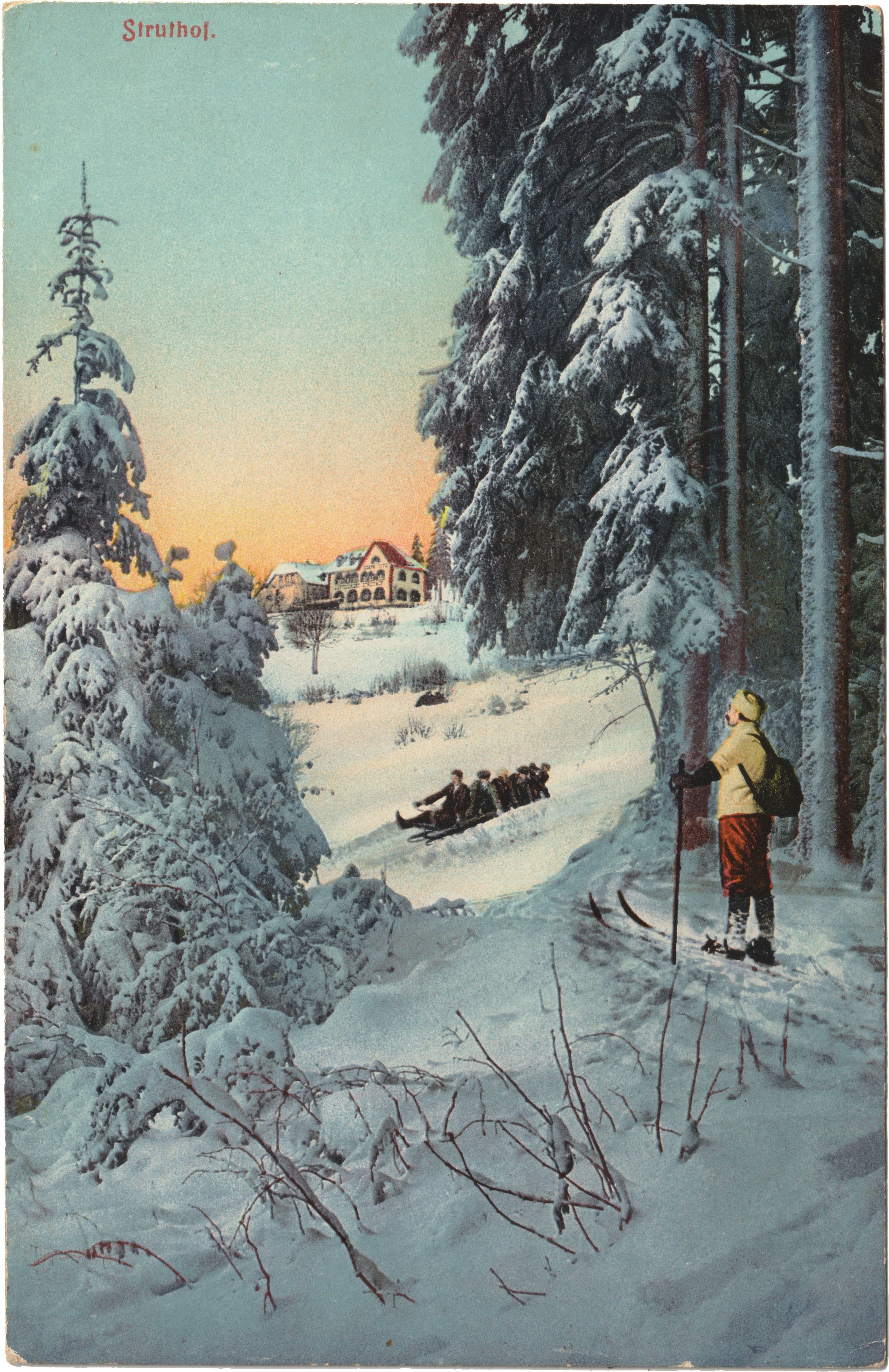
Diese Ausstellung entstand aus dem Wunsch, die Geschichte des "Struthofs" vor der Errichtung des KZ 1941 besser bekannt zu machen. Diese Zeit ist im kollektiven Gedächtnis noch relativ unklar. Wintersport, landwirtschaftliche Aktivitäten, Bauernhöfe, das Hotel, die Villa werden erwähnt, ohne immer ihre genaue Art, ihren Standort oder ihre Entwicklung anzugeben. Der Anhang, in dem später die Gaskammer untergebracht wird, wirft ebenfalls viele Fragen auf. Die Ausstellung "Vor dem Horror: ein anderer Struthof" zeigt die ganze Geschichte einer Stätte, die tief mit dem Tal der Bruche verbunden ist. Im Herzen der Vogesen lebte der "Struthof" jahrhundertelang im Rhythmus der Berglandwirtschaft, bevor sich ab dem 19. Jahrhundert die Freizeitaktivitäten entwickelten.
Unveröffentlichte Archive, antike Objekte, Ikonographie, Austausch mit den Familien der ehemaligen Eigentümer und die Bewohner bereichern diese Ausstellung erheblich.
Exhibition Before the horror: another Struthof. Lives to the rhythm of the seasons
This exhibition was born from the desire to better publicize the history of the "Struthof" site before the installation of the concentration camp in 1941\. This period still remains relatively the ...
©Mémorial de Natzweiler-Struthof
This exhibition was born from the desire to better publicize the history of the "Struthof" site before the installation of the concentration camp in 1941. This period is still relatively unclear in the collective memory. Winter sports, agricultural activities, farms, hotels, and villas are mentioned without always specifying their exact nature, location, or evolution. The annex, which will later house the gas chamber, also raises many questions. The exhibition «Before the horror: another Struthof» gives us the history of a site deeply linked to the valley of the Bruche. In the heart of the Vosges mountains, the "Struthof" lived for centuries at the rhythm of mountain agriculture before the development of leisure activities from the 19th century.
Unpublished archives, ancient objects, iconography, exchanges with the families of former owners and the inhabitants largely nourish this exhibition.
Esposizione Prima dell'orrore: un altro Struthof. Una vita al ritmo delle stagioni
Questa mostra nasce dalla volontà di far conoscere meglio la storia del sito dello "Struthof" prima dell'insediamento del campo di concentramento nel 1941\. Questo periodo rimane ancora relativamente
©Mémorial de Natzweiler-Struthof
Questa mostra nasce dalla volontà di far conoscere meglio la storia del sito dello "Struthof" prima dell'insediamento del campo di concentramento nel 1941. Questo periodo è ancora relativamente vago nella memoria collettiva. Gli sport invernali, le attività agricole, le fattorie, l'hotel, la villa sono menzionati senza sempre precisarne la natura esatta, la localizzazione o la loro evoluzione. L'allegato, che ospiterà in seguito la camera a gas, solleva anche numerosi interrogativi. L'esposizione "Prima dell'orrore: un altro Struthof" ripercorre tutta la storia di un sito profondamente legato alla valle della Bruche. Nel cuore delle montagne dei Vosgi, lo «Struthof» ha vissuto per secoli al ritmo dell'agricoltura di montagna prima dello sviluppo delle attività ricreative a partire dal XIX secolo.
Archivi inediti, oggetti antichi, iconografia, scambi con le famiglie degli ex proprietari e gli abitanti alimentano ampiamente questa esposizione.
Exposition Avant l’horreur : un autre Struthof. Des vies au rythme des saisons
Cette exposition est née de la volonté de mieux faire connaître l’histoire du site du « Struthof » avant l’installation du camp de concentration en 1941. Cette période demeure encore relativement la …
©Mémorial de Natzweiler-Struthof
Cette exposition est née de la volonté de mieux faire connaître l’histoire du site du « Struthof » avant l’installation du camp de concentration en 1941. Cette période demeure encore relativement floue dans la mémoire collective. Les sports d’hiver, les activités agricoles, les fermes, l’hôtel, la villa sont évoqués sans toujours préciser leur nature exacte, leur localisation ou leur évolution. L’annexe, qui accueillera plus tard la chambre à gaz, suscite aussi de nombreuses interrogations. L’exposition «Avant l’horreur : un autre Struthof» restitue toute l’histoire d’un site profondément liée à la vallée de la Bruche. Au cœur des montagnes vosgiennes, le «Struthof» vit pendant des siècles au rythme de l’agriculture de montagne avant le développement des activités de loisirs à partir du XIXe siècle.
Archives inédites, objets anciens, iconographie, échanges avec les familles d’anciens propriétaires et les habitants nourrissent largement cette exposition.
Exposición Antes del horror: otro Struthof. Vidas al ritmo de las estaciones
Esta exposición nació del deseo de dar a conocer mejor la historia del sitio del "Struthof" antes de la instalación del campo de concentración en 1941\. Este período sigue siendo relativamente el...
©Mémorial de Natzweiler-Struthof
Esta exposición nació del deseo de dar a conocer mejor la historia del sitio del "Struthof" antes de la instalación del campo de concentración en 1941. Este período sigue siendo relativamente vago en la memoria colectiva. Los deportes de invierno, las actividades agrícolas, las granjas, el hotel, la villa se mencionan sin especificar siempre su naturaleza exacta, su localización o su evolución. El anexo, que más tarde albergará la cámara de gas, también plantea muchas interrogantes. La exposición «Antes del horror: otro Struthof» muestra toda la historia de un lugar profundamente vinculado al valle del Bruche. En el corazón de las montañas de los Vosgos, el «Struthof» vivió durante siglos al ritmo de la agricultura de montaña antes del desarrollo de las actividades recreativas a partir del siglo XIX.
Archivos inéditos, objetos antiguos, iconografía, intercambios con las familias de los antiguos propietarios y los habitantes alimentan ampliamente esta exposición.

