"Von Ost nach West, die Architektur des nördlichen Trébon"
Nach dem Zweiten Weltkrieg entwickelte sich das landwirtschaftliche Dorf Trébon allmählich zu einem industriellen Zentrum. Diese immer zahlreicheren Arbeiter müssen untergebracht werden, und ihnen mus
Sonntag 18 Oktober, 11:30
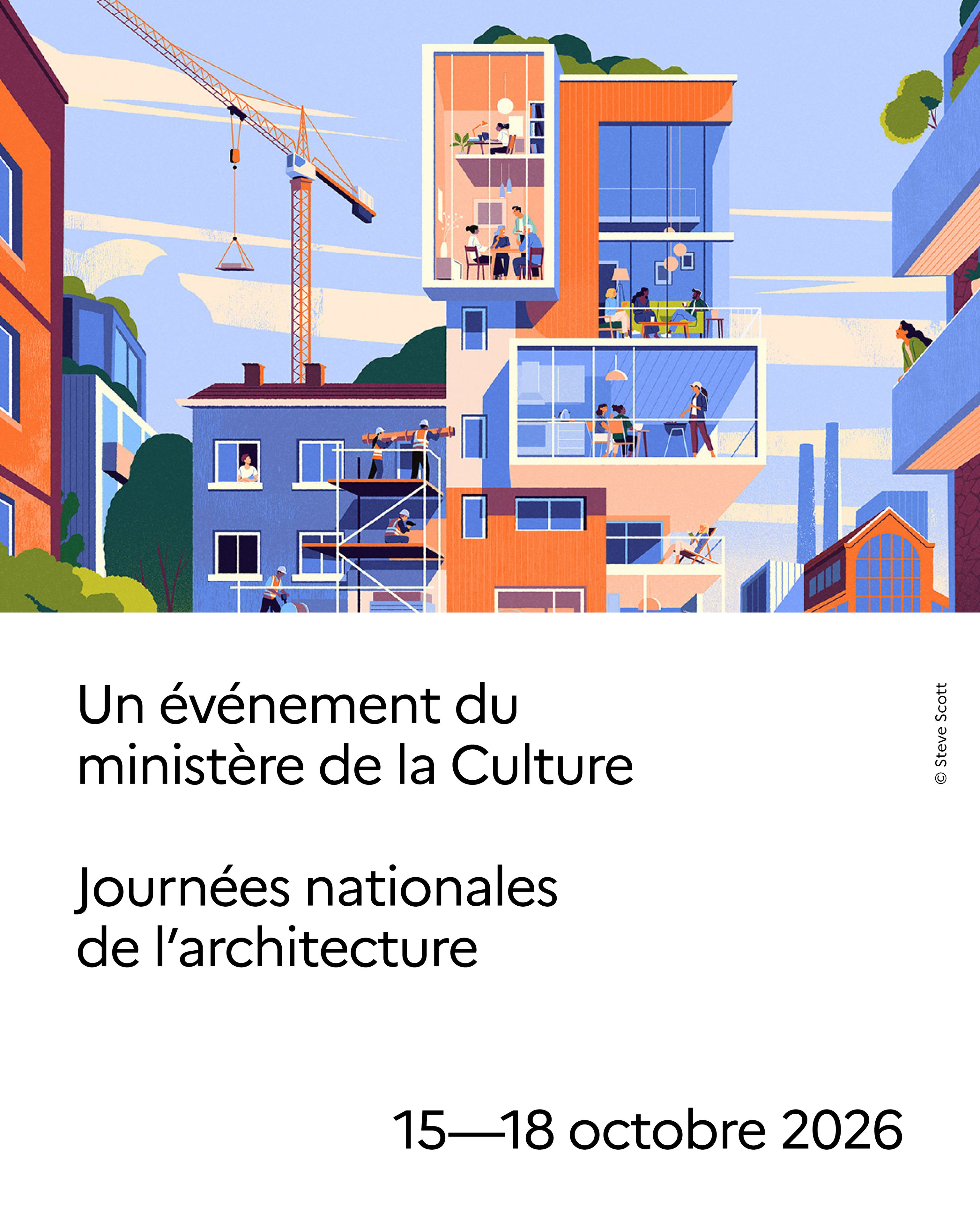
©S.Scott
Nach dem Zweiten Weltkrieg entwickelte sich das landwirtschaftliche Dorf Trébon allmählich zu einem industriellen Zentrum. Diese immer zahlreicheren Arbeiter müssen untergebracht und mit den notwendigen Einrichtungen und Dienstleistungen versorgt werden: So wird uns dieser Weg vom Gymnasium Jean François Lamour bis zum Lycée Perdiguier führen, über das Institut für Regulierung und Automatisierung, das Schwimmbad Guy Berthier und die DDE. Die Gelegenheit, verschiedene Aspekte des Viertels von den 50er Jahren bis heute zu entdecken.
Von Martine Brun, Reiseleiter.
"From East to West, the architecture of the North of Trébon"
After the Second World War, the agricultural town of Le Trébon gradually evolved into an industrial center. We need to house these increasingly numerous workers and provide them with the necessary equ
Sonntag 18 Oktober, 11:30
©S.Scott
After the Second World War, the agricultural town of Le Trébon gradually evolved into an industrial center. We need to house these increasingly numerous workers and provide them with the necessary equipment and services: thus, this route will take us from the Jean François Lamour gymnasium to the Lycée Perdiguier, including the Institute of Regulation and Automation, the Guy Berthier swimming pool, and the DDE. The opportunity to discover different aspects of the neighborhood from the 50s until today.
By Martine Brun, guide-lecturer.
"Da est a ovest, l'architettura del nord del Trébon"
Dopo la seconda guerra mondiale, il borgo agricolo del Trébon si è progressivamente trasformato in un polo industriale. Bisogna dare un alloggio a questi lavoratori sempre più numerosi e fornire loro
Sonntag 18 Oktober, 11:30
©S.Scott
Dopo la seconda guerra mondiale, il borgo agricolo del Trébon si è progressivamente trasformato in un polo industriale. È necessario ospitare questi lavoratori sempre più numerosi e fornire loro le attrezzature e i servizi necessari: questo percorso ci porterà dalla palestra Jean François Lamour, al liceo Perdiguier, passando per l'Istituto di regolazione e automazione, la piscina Guy Berthier e la DDE. L'occasione di scoprire diversi aspetti del quartiere dagli anni '50 fino ai giorni nostri.
Di Martine Brun, guida-conferenziera.
« D’Est en Ouest, l’architecture du Nord du Trébon »
Après la seconde guerre mondiale, le bourg agricole du Trébon évolue progressivement vers un pôle industriel. Il faut loger ces travailleurs de plus en plus nombreux et leur procu-rer les équipements…
Sonntag 18 Oktober, 11:30
©S.Scott
Après la seconde guerre mondiale, le bourg agricole du Trébon évolue progressivement vers un pôle industriel. Il faut loger ces travailleurs de plus en plus nombreux et leur procu-rer les équipements et services nécessaires : ainsi ce parcours nous conduira du gymnase Jean François Lamour, au lycée Perdiguier, en passant par l'Institut de régulation et d’automation, la piscine Guy Berthier et la DDE. L'occasion de découvrir différents aspects du quartier des années 50 jusqu'à nos jours.
Par Martine Brun, guide-conférencière.
«De este a oeste, la arquitectura del norte del Trébon»
Después de la Segunda Guerra Mundial, el pueblo agrícola del Trébon evolucionó gradualmente hacia un polo industrial. Hay que alojar a estos trabajadores cada vez más numerosos y proporcionarles los e
Sonntag 18 Oktober, 11:30
©S.Scott
Después de la Segunda Guerra Mundial, el pueblo agrícola del Trébon evolucionó gradualmente hacia un polo industrial. Es necesario alojar a estos trabajadores cada vez más numerosos y proporcionarles los equipos y servicios necesarios: así, este recorrido nos llevará desde el gimnasio Jean François Lamour, al liceo Perdiguier, pasando por el Instituto de regulación y automatización, la piscina Guy Berthier y la DDE. La oportunidad de descubrir diferentes aspectos del barrio desde los años 50 hasta nuestros días.
Por Martine Brun, guía-conferencista.


