Dig in! From a grain of sand to sustainable cities
This exhibition by UNIGE invites you to trace the journey of a grain of sand. Behind this seemingly ordinary resource lie realities that are often overlooked.
8 September - 18 Dezember
UNIGE
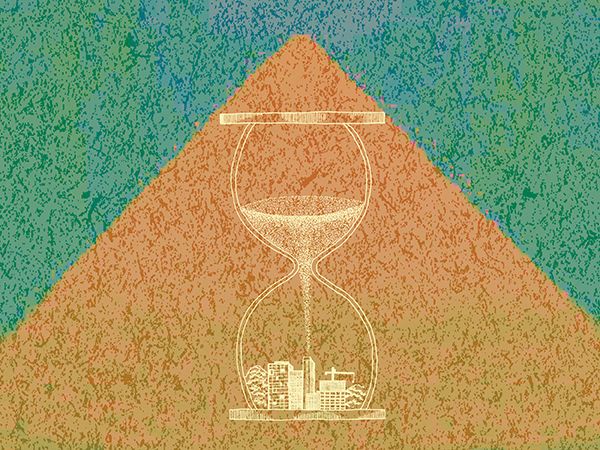
This exhibition invites you to trace the journey of a grain of sand. Shaped over thousands of years, it travels around the world, across seas, rivers and roads. It is extracted, dredged, sorted, processed, moved, sold and traded. From a raw material, it becomes a resource: an essential component of concrete, a material found in buildings, roads and infrastructure everywhere. Yet, the extraction of sand leaves its mark: scarred landscapes, weakened ecosystems, collapsing riverbanks, receding coastlines and lives that are turned upside down or destroyed.
Tracking a grain of sand from extraction sites to cities under construction forces us to question how we build, inhabit and transform our environment. This journey creates an opportunity to consider how we can shape our cities differently to be truly sustainable, foster community life and respect the environment.
Entrez en matière! Du grain de sable à la ville durable
Cette exposition de l’UNIGE est une invitation à suivre la vie d’un grain de sable. Derrière cette ressource apparemment ordinaire se cachent des réalités souvent méconnues.
8 September - 18 Dezember
UNIGE
Cette exposition est une invitation à suivre la vie d’un grain de sable. Façonné pendant des milliers d’années, il circule sur les fleuves, les mers et les routes du monde entier. De matière, il devient ressource, utilisé massivement dans le béton, matériau omniprésent dans nos bâtiments, routes et infrastructures. Mais derrière cette ressource apparemment ordinaire se cachent des réalités souvent méconnues: extraction intensive, paysages dégradés, écosystèmes fragilisés et profondes inégalités sociales et environnementales.
Depuis les carrières jusqu’aux villes marquées par la spéculation immobilière en passant par les chaînes logistiques globales, suivre un grain de sable, c’est interroger nos manières de construire, d’habiter et de transformer les territoires. C’est considérer d’autres matériaux plus durables (comme le bois, la terre, la pierre), d'autres pratiques constructives (comme le réemploi) et de nombreuses initiatives plus respectueuses de nos milieux et du vivant.


