Eröffnung der Kirche Saint-Florent
Anlässlich der Europäischen Tage des Kulturerbes öffnet die Kirche Saint-Florent ausnahmsweise ihre Türen für das Publikum.
Sonntag 20 September, 10:00, 14:00
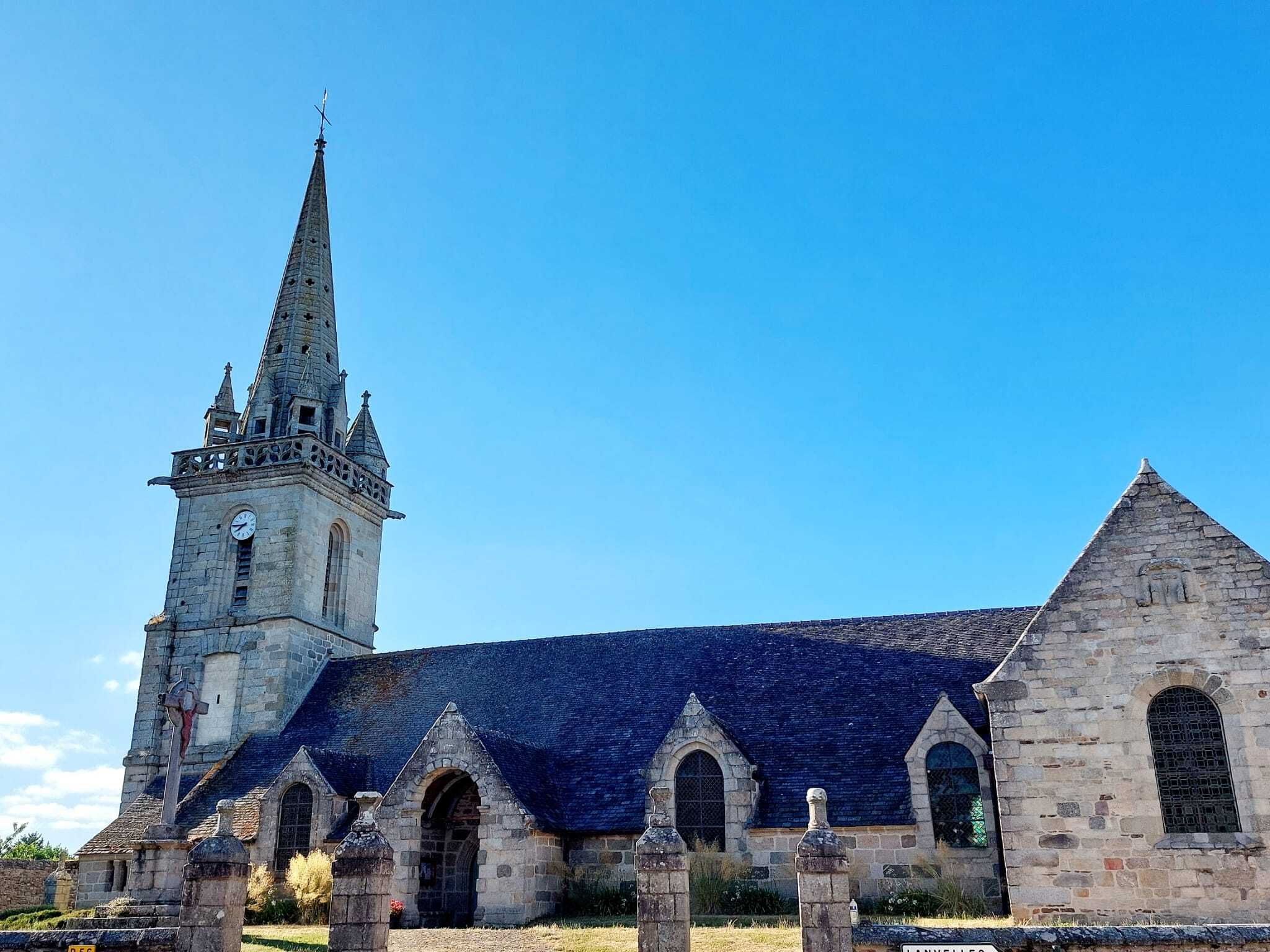
©Aurélie Dorange
Die Besichtigung ist frei: Jeder entdeckt das Gebäude in seinem eigenen Tempo, ohne festen Zeitplan.
Die seit 1983 unter Denkmalschutz stehende Kirche verdankt ihren Namen einem heiligen Poitevin, einer seltenen Patronage in der Basse-Bretagne. Sie drohte ruiniert zu werden, wurde zwischen 1772 und 1776 nach den Plänen des Ingenieurs Anfray wieder aufgebaut: Grundriss in lateinischem Kreuz, Kirchenschiff mit drei Schiffen, Glockenturm-Vorplatz und Chor im Halbkreis, typisch für das bretonische 18. Jahrhundert.
Sie bewahrt ältere Elemente auf: geschnitzte Gerüste, Sandkasten von 1504, Taufbecken von 1558, Basrelief aus dem 15. Jahrhundert, das die Geburt und die Auferstehung zeigt, und ein Altarbild von 1675 mit den Waffen der Quélen und der Coskaer. Mit ihrem 1819 gefertigten Plätzchen und Ossuar bildet sie ein in der Bretagne seltenes Ensemble.
Eine Dokumentation wird vor Ort zur Verfügung gestellt, um die Entdeckung der wichtigsten bemerkenswerten Elemente zu leiten - geschnitzte Gerüste, Flachrelief, Altaraufsätze und antike Möbel.
Opening of the Saint-Florent Church
On the occasion of the European Heritage Days, the Saint-Florent church exceptionally opens its doors to the public.
Sonntag 20 September, 10:00, 14:00
©Aurélie Dorange
The visit is free: everyone can discover the building at their own pace, without a fixed schedule.
Listed as a historical monument since 1983, the church owes its name to a saint poitevin, a rare patronage in Lower Brittany. Threatening ruin, it was rebuilt between 1772 and 1776 on the plans of the engineer Anfray: plan in Latin cross, nave of three vessels, bell-porch and choir in hemicycle, typical of the 18th century Breton.
It preserves older elements: carved frames, sandstone of 1504, calyxes of 1558, baptismal font of the 15th century, bas-relief depicting the Nativity and Resurrection, and altarpiece of 1675 with the arms of the Quélen and the Coskaer. With its placître and ossuary of 1819, it forms a set that has become rare in Brittany.
Documentation is available on site to guide the discovery of the main remarkable elements - carved frames, bas-relief, retable and antique furniture.
Apertura della chiesa di Saint-Florent
In occasione delle Giornate europee del patrimonio, la chiesa di Saint-Florent apre le sue porte al pubblico.
Sonntag 20 September, 10:00, 14:00
©Aurélie Dorange
La visita è libera: ognuno scopre l'edificio al proprio ritmo, senza orari imposti.
Iscritta ai Monumenti storici dal 1983, la chiesa deve il suo nome a un santo poitevin, raro patronato in Bassa Bretagna. Minacciando rovina, fu ricostruita tra il 1772 e il 1776 su progetto dell'ingegnere Anfray: pianta a croce latina, navata di tre navate, campanile-porticella e coro in semiciclo, tipici del XVIII secolo bretone.
Conserva elementi più antichi: carpenteria scolpita, sabbiera del 1504, benifici del 1558, vasca battesimale del XV secolo, bassorilievo raffigurante la Natività e la Risurrezione, e pala d'altare del 1675 alle armi dei Quélen e dei Coskaer. Con il suo posatoio e l'ossario del 1819, forma un insieme divenuto raro in Bretagna.
Una documentazione è messa a disposizione sul posto per guidare la scoperta dei principali elementi degni di nota - strutture intagliate, bassorilievo, pala d'altare e mobili antichi.
Ouverture de l'Église Saint-Florent
À l'occasion des Journées européennes du patrimoine, l'église Saint-Florent ouvre exceptionnellement ses portes au public.
Sonntag 20 September, 10:00, 14:00
©Aurélie Dorange
La visite est libre : chacun découvre l'édifice à son rythme, sans horaire imposé.
Inscrite aux Monuments historiques depuis 1983, l'église doit son nom à un saint poitevin, patronage rare en Basse-Bretagne. Menaçant ruine, elle fut reconstruite entre 1772 et 1776 sur les plans de l'ingénieur Anfray : plan en croix latine, nef de trois vaisseaux, clocher-porche et chœur en hémicycle, typiques du XVIIIe siècle breton.
Elle conserve des éléments plus anciens : charpentes sculptées, sablière de 1504, bénitiers de 1558, cuve baptismale du XVe siècle, bas-relief figurant Nativité et Résurrection, et retable de 1675 aux armes des Quélen et des Coskaer. Avec son placître et son ossuaire de 1819, elle forme un ensemble devenu rare en Bretagne.
Une documentation est mise à disposition sur place pour guider la découverte des principaux éléments remarquables - charpentes sculptées, bas-relief, retable et mobilier ancien.
Apertura de la iglesia de San Florentino
Con ocasión de las Jornadas europeas del patrimonio, la iglesia de San Florento abre excepcionalmente sus puertas al público.
Sonntag 20 September, 10:00, 14:00
©Aurélie Dorange
La visita es libre: cada uno descubre el edificio a su ritmo, sin horario impuesto.
Inscrita en los Monumentos históricos desde 1983, la iglesia debe su nombre a un santo poitevin, raro patronazgo en Baja Bretaña. Amenazando con la ruina, fue reconstruida entre 1772 y 1776 según los planos del ingeniero Anfray: planta en cruz latina, nave de tres naves, campanario-pórtico y coro en semiciclo, típicos del siglo XVIII bretón.
Conserva elementos más antiguos: carpintería esculpida, arenal de 1504, beneciario de 1558, cuba bautismal del siglo XV, bajorrelieve que representa la Natividad y la Resurrección, y retablo de 1675 en las armas de los Quélen y de los Coskaer. Con su placet y su osario de 1819, forma un conjunto que se ha vuelto raro en Bretaña.
Una documentación está disponible in situ para guiar el descubrimiento de los principales elementos notables: estructuras esculpidas, bajorrelieve, retablo y mobiliario antiguo.

