Vorstellung des Vaterländischen Altars und seiner Geschichte
11 Uhr über dem Parkplatz des Mühlenwegs.
Sábado 19 septiembre, 11:00
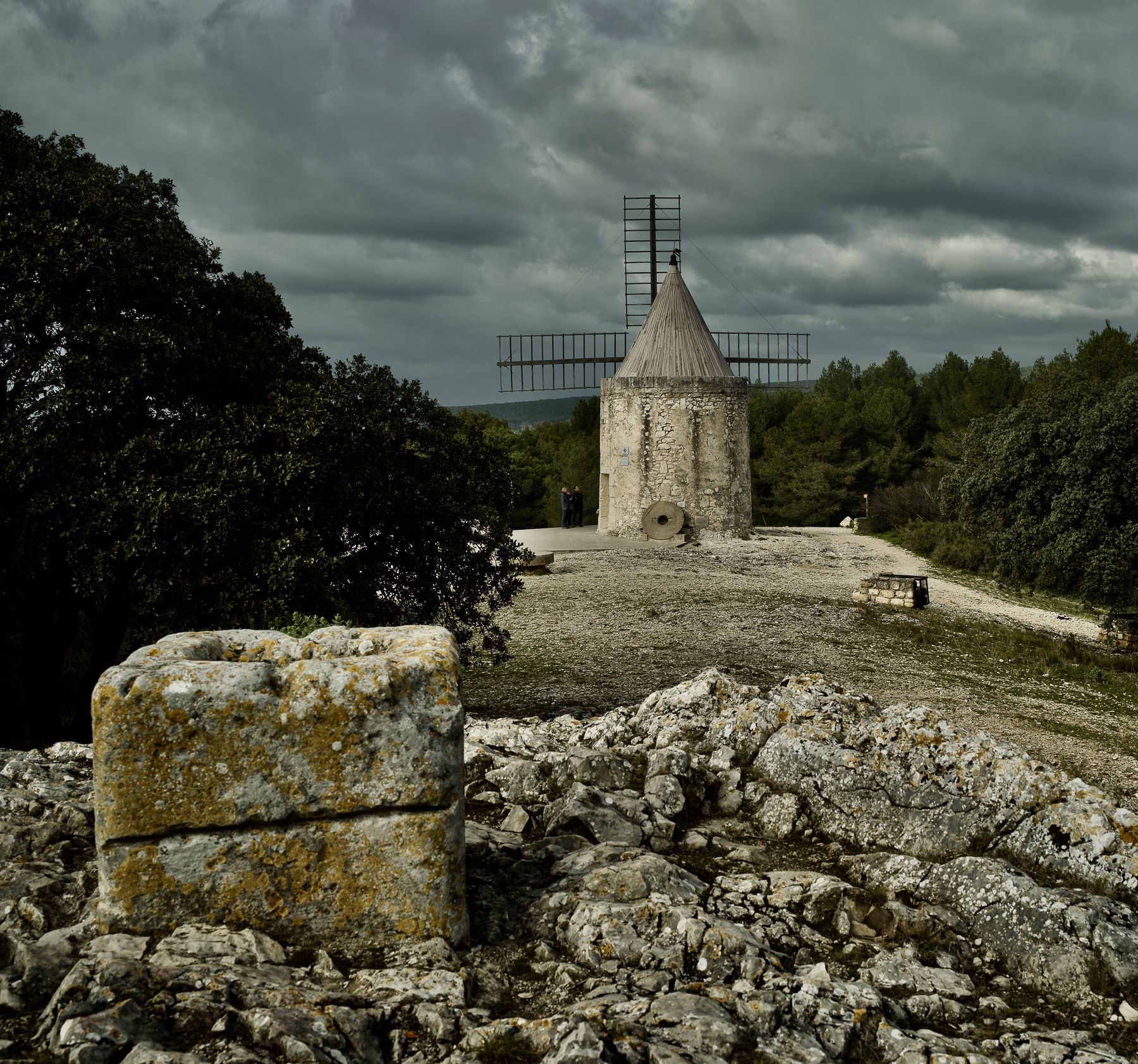
©Michel Lacanaud
11 Uhr über dem Parkplatz des Mühlenwegs.
Kostenlos und offen für alle
Als historisches Denkmal eingetragen und fast das einzige Beispiel seiner Art, bleibt der Altar der Heimat, ein einfacher geschnittener und gegrabener Block, im reichen historischen Ensemble des Landes unbemerkt. Der am 8. Juni 1794 während einer republikanischen Zeremonie errichtete Altar symbolisiert die Treue der Einwohner zu ihrer Heimat sowie das Entstehen eines neuen Kultes, des von Robespierre festgelegten Höchsten Wesens.
In den 1930er Jahren beschrieb der Historiker Jules Auvergne aus Frankreich dieses Denkmal: "Dieser Block wurde von einem Freiheitsbaum überragt, man sieht noch die Spur einer Hand darin, die Handfläche nach innen, die den Eid ablegte und mit einigen Blättern eines Lorbeerkranzes gehüllt ist."
Presentation of the Altar of the Fatherland and its history
11 o'clock above the parking lot of the Sentier des Moulins.
Sábado 19 septiembre, 11:00
©Michel Lacanaud
11 o'clock above the parking lot of the Sentier des Moulins.
Free and open to everyone
Listed as a Historical Monument and an almost unique example of its kind, the altar of the fatherland, a simple carved and dug block, is nevertheless unnoticed in the rich, well-preserved heritage complex. Built on 8 June 1794 during a republican ceremony, the altar symbolizes the allegiance of the inhabitants to their homeland as well as the emergence of a new cult, that of the Supreme Being decreed by Robespierre.
In the 1930s, historian Jules Auvergne described this monument: "This block was surmounted by a tree of freedom, you can still see the trace of a hand, the palm inside, taking an oath and encrusted with a few leaves of a laurel wreath."
Presentazione dell'Altare della Patria e della sua storia
Ore 11 sopra il parcheggio del sentiero dei mulini.
Sábado 19 septiembre, 11:00
©Michel Lacanaud
Ore 11 sopra il parcheggio del sentiero dei mulini.
Gratuita e aperta a tutti
Iscritto tra i monumenti storici e quasi unico esempio del suo genere, l'altare della patria, semplice blocco tagliato e scavato, passa tuttavia inosservato nel ricco complesso patrimoniale di Fontvieux. Eretto l'8 giugno 1794 nel corso di una cerimonia repubblicana, l'altare simboleggia la fedeltà degli abitanti alla loro patria e l'emergere di un nuovo culto, quello dell'Essere Supremo decretato da Robespierre.
Negli anni '30, Jules Auvergne, storico di Fontvieux, descrive questo monumento: «Questo blocco fu sormontato da un albero della libertà; vi si vede ancora la traccia di una mano, il palmo all'interno, che prestava il giuramento e intarsiate alcune foglie di una corona d'alloro».
Présentation de l’Autel de la Patrie et de son histoire
11H au dessus du parking du sentier des moulins.
Sábado 19 septiembre, 11:00
©Michel Lacanaud
11H au dessus du parking du sentier des moulins.
Gratuite et ouverte à tous – Verre de l’amitié
Inscrit au titre des Monuments Historiques et quasi unique exemple en son genre, l’autel de la patrie, simple bloc taillé et creusé, passe pourtant inaperçu dans le riche ensemble patrimonial fontvieillois. Édifié le 8 juin 1794 au cours d’une cérémonie républicaine, l’autel symbolise l’allégeance des habitants à leur patrie ainsi que l’émergence d’un nouveau culte, celui de l’Être Suprême décrété par Robespierre.
Dans les années 1930, Jules Auvergne, historien fontvieillois, décrit ce monument : « Ce bloc fut surmonté d’un arbre de la liberté, on y voit encore la trace d’une main, la paume en dedans, prêtant le serment et incrustées de quelques feuilles d’une couronne de laurier. »
Presentación del Altar de la Patria y su historia
11H sobre el estacionamiento del sendero de los molinos.
Sábado 19 septiembre, 11:00
©Michel Lacanaud
11H sobre el estacionamiento del sendero de los molinos.
Gratuita y abierta a todos
Inscrito como Monumento Histórico y casi único ejemplo de su tipo, el altar de la patria, simple bloque tallado y excavado, pasa sin embargo inadvertido en el rico conjunto patrimonial de Fontvieux. Construido el 8 de junio de 1794 durante una ceremonia republicana, el altar simboliza la lealtad de los habitantes a su patria así como el surgimiento de un nuevo culto, el del Ser Supremo decretado por Robespierre.
En los años 1930, Jules Auvergne, historiador de Fontvieux, describió este monumento: «Este bloque fue coronado por un árbol de la libertad; todavía se ve la huella de una mano, con la palma en el interior, prestando el juramento e incrustada con algunas hojas de una corona de laurel».

