Ville de Sélestat
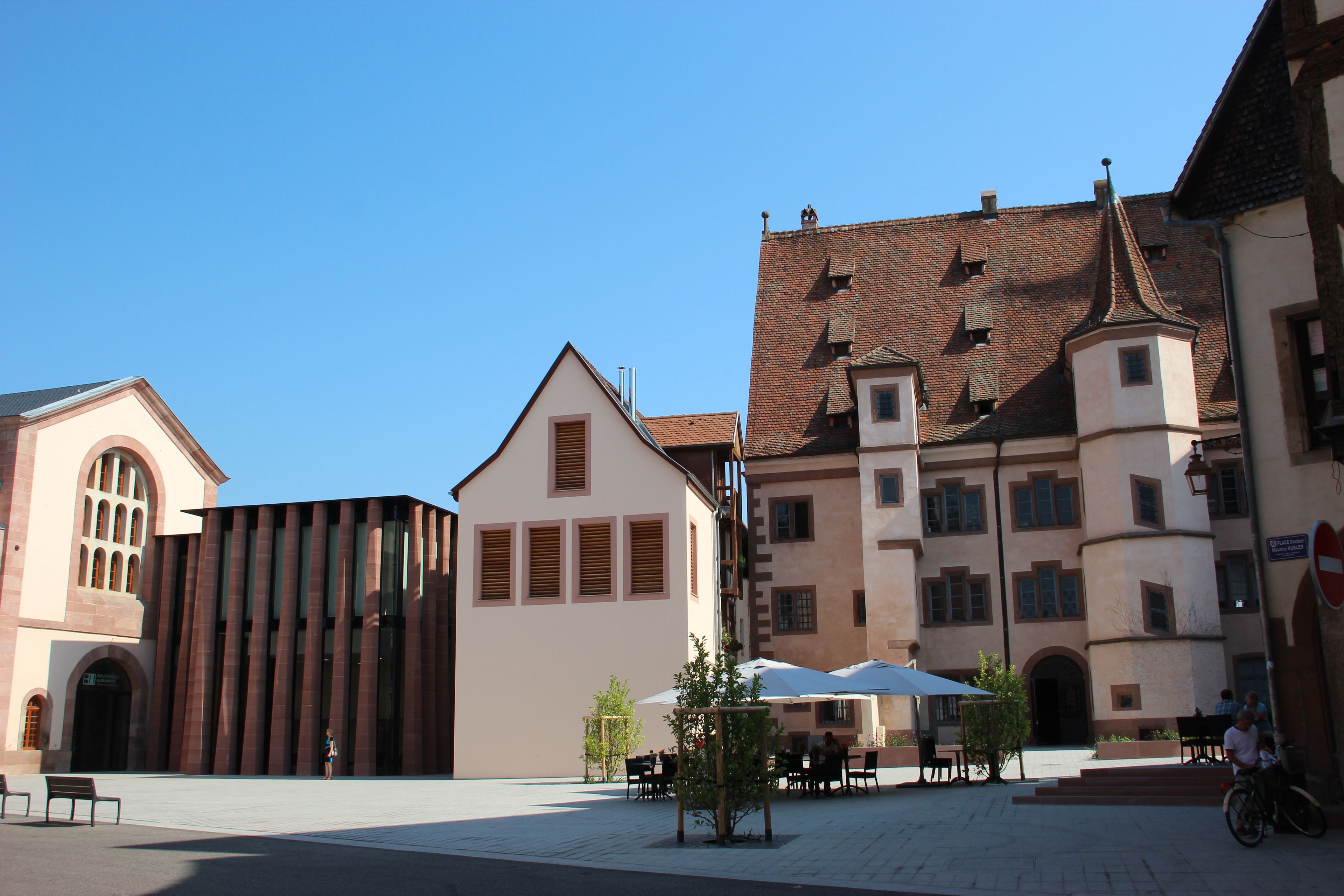
Place du Docteur Maurice Kubler, 67600 Sélestat
Sélestat is first mentioned in 727, but the city could have older origins, Celtic or Roman. The region probably experienced human migrations in the Upper Paleolithic, and archaeological excavations have revealed human occupations at Sélestat during the Mesolithic, Neolithic, and during the Bronze Age. The artifacts found include cut and polished stones, grindstones, and ceramics. The site of Sélestat was then occupied during the period of La Tène, then in the Roman era. Excavations carried out around the chapel of Saint-Quirin, in the old town, have uncovered piles dated from 87 to 191 AD. J.-C. Planted vertically in the ground, they were used to stabilize the land, near the Ill. Their number suggests a relatively large implantation, exceeding a simple individual initiative. Roman coins were also found in the area. Sélestat was probably already a port site on the Ill, exporting wines from Alsace.
Etiquetas
Villes et Pays d'art et d'histoire
© Ville de Sélestat

