Kollektive Vermessung des schriftlichen Werks des Architekten und Dichters Yves Perret
Der Architekt des Naturhauses, Yves Perret, bekannt für seine ökologischen Konstruktionen und sein architektonisches Schreiben, das auf die Beziehung zur Natur und zu natürlichen Materialien achtet, i
Sábado 19 septiembre, 14:30
Este evento incluye adaptaciones de accesibilidad
Discapacidad auditiva
Discapacidad motriz
© Y Perret
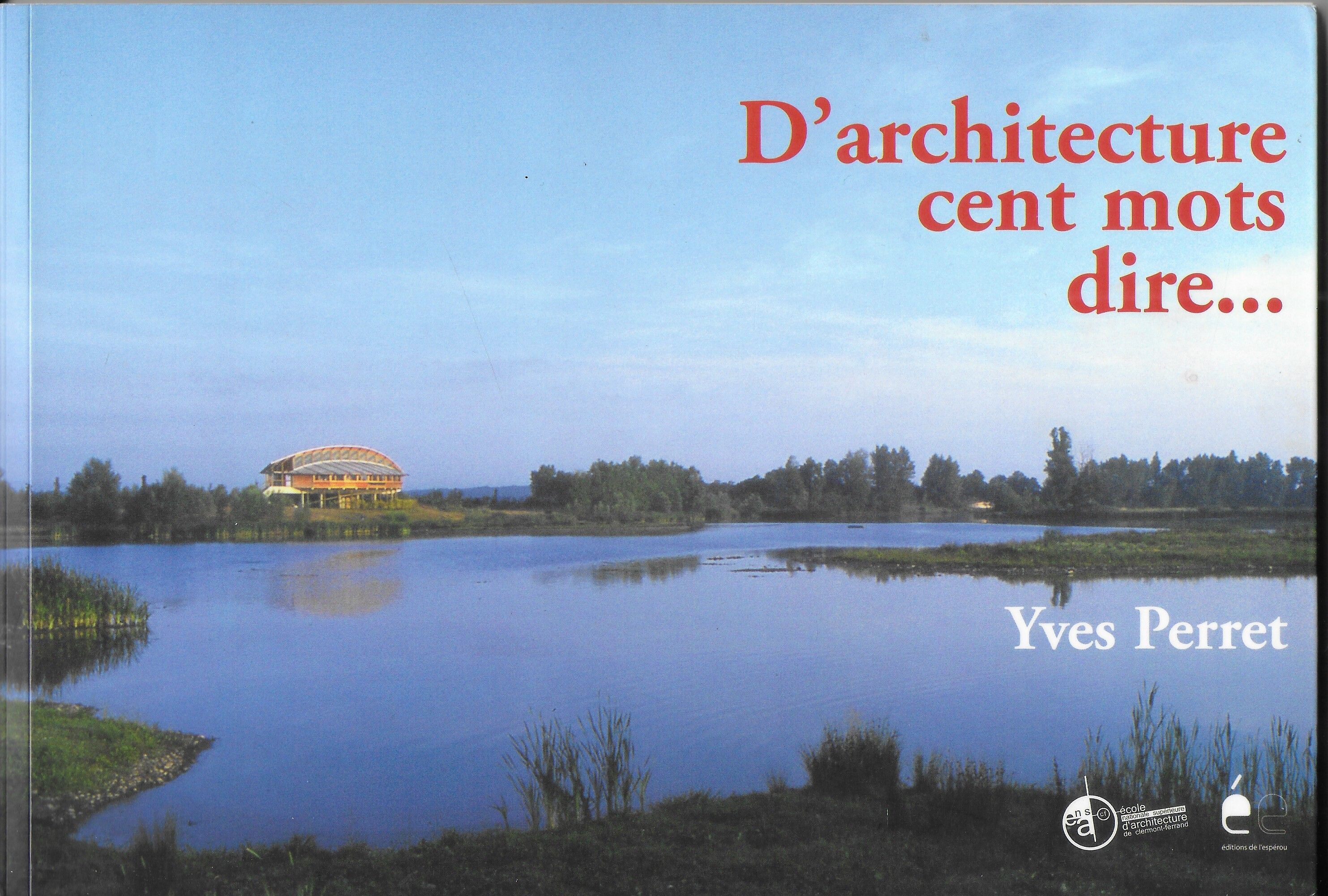
Der Architekt des Naturhauses, Yves Perret, bekannt für seine ökologischen Konstruktionen und sein architektonisches Schreiben, das auf die Beziehung zur Natur und zu natürlichen Materialien eingeht, ist ebenfalls Schriftsteller. Er machte auch eine Lehrerkarriere und stellte der Öffentlichkeit seine Schriften (und Zeichnungen) des Architekten, Dichters und Kantoniers zur Verfügung, wie er sich selbst definiert, darunter das "Werk der Architektur, hundert Worte sagen". veröffentlicht bei den Éditions de l'Espérou der Architekturschule von Montpellier und "Das Waschbecken mit zwei Löchern" veröffentlicht bei den Éditions Plaine Page. MALTAE und die Maltae-Verlag haben ihr kulturelles Angebot erweitert, indem sie literarische Landkarten organisieren.
Was ist Reading Surveying? Die Vermessung, die aus der Arbeiterkultur des 19. Jahrhunderts und den pädagogischen Methoden der Volksbildung stammt, ist eine kollektive Lesemethode, bei der das Lesen eines Buches in so viele Teile geteilt wird, wie es Teilnehmer gibt, indem man es physisch oder virtuell in Teile teilt. Jeder liest seinen oder ihre Teile vor, dann kommt die Zeit der Zusammenführung, die von einem Koordinator geleitet wird. Diese Methode kann auf alle Arten von Texten angewendet werden: philosophische, wissenschaftliche, fiktive... und ermöglicht das schnelle Kennenlernen von manchmal langen oder komplexen Texten.
Das Prinzip des Workshops und des erforschten literarischen Werkes ermöglicht die Aufnahme von Menschen mit Behinderungen, einschließlich Hörgeschädigter.
Das Atelier, das sich auf das gebaute Werk des Architekten bezieht, schlägt vor, mit einer Besichtigung des Gebäudes abzuschließen und bietet so eine "erweiterte" Lektüre der architektonischen Schriften durch eine Architekturübersicht.
Collective surveying of the written work of the architect-poet Yves Perret
The architect of the house of nature, Yves Perret, known for his ecological constructions and his architectural style sensitive to the relationship with nature and natural materials is also...
Sábado 19 septiembre, 14:30
Este evento incluye adaptaciones de accesibilidad
Discapacidad auditiva
Discapacidad motriz
© Y Perret
The architect of the house of nature, Yves Perret, known for his ecological constructions and his architectural writing sensitive to the relationship with nature and natural materials is also a writer. He also had a career as a teacher and made available to the public his writings (and drawings) of architect, poet, and roadmender, as he defines himself, including the work "architecture, a hundred words to say." published by the editions of Espérou of the School of Architecture in Montpellier and "L'évier à deux trous" published by Plaine Page. MALTAE and Éditions MALTAE have expanded their range of cultural offerings by organizing literary surveys.
What is surveying in reading? Stemming from the working-class culture of the 19th century and the pedagogical methods of popular education, surveying is a collective reading method that consists in sharing the reading of a book in as many parts as there are participants by dividing it into parts, physically or virtually. Everyone reads their part or parts, then comes the time of pooling led by a coordinator. This method can be applied to all types of texts: philosophical, scientific, fictional... and allows you to quickly become aware of sometimes long or complex texts.
the principle of the workshop and the literary work surveyed allows for the reception of people with disabilities, including those who are hard of hearing
The workshop, taking place in the architect’s built work, proposes to conclude with a visit of the building, thus offering an "augmented" reading of architectural writings through architectural surveying.
Mappatura collettiva dell'opera scritta del poeta architetto Yves Perret
L'architetto della casa della natura, Yves Perret, noto per le sue costruzioni ecologiche e la sua scrittura architettonica sensibile al rapporto con la natura e i materiali naturali è anche lui e...
Sábado 19 septiembre, 14:30
Este evento incluye adaptaciones de accesibilidad
Discapacidad auditiva
Discapacidad motriz
© Y Perret
L'architetto della casa della natura, Yves Perret, noto per le sue costruzioni ecologiche e la sua scrittura architettonica sensibile al rapporto con la natura e i materiali naturali è anche uno scrittore. Fece anche una carriera di insegnante e mise a disposizione del pubblico i suoi scritti (e disegni) di architetto poeta e cantoniere, come lui stesso si definisce, tra cui l'opera "di architettura, cento parole". pubblicato alle edizioni dell'Espérou della scuola di architettura di Montpellier e "il lavandino a due buchi" pubblicato dalle edizioni Plaine Page. MALTAE e le edizioni MALTAE hanno ampliato la loro gamma di offerte culturali organizzando delle esposizioni letterarie.
Che cos'è la mappatura in lettura? Derivato dalla cultura operaia del XIX secolo e dai metodi pedagogici dell'educazione popolare, il rilevamento è un metodo di lettura collettiva che consiste nel dividere la lettura di un libro in tante parti quante sono le persone coinvolte, suddividendola fisicamente o virtualmente. Ognuno legge la sua parte o le sue parti, poi arriva il momento della messa in comune animata da un coordinatore. Questo metodo può essere applicato a tutti i tipi di testi: filosofici, scientifici, immaginari... e permette di prendere rapidamente conoscenza di testi talvolta lunghi o complessi.
il principio dello studio e l'opera letteraria esplorata consentono l'accoglienza di persone con disabilità, comprese le persone con problemi di udito
L'atelier, che si svolge all'interno dell'opera costruita dall'architetto, propone di concludere con una visita dell'edificio, offrendo così una lettura "ampliata" degli scritti architettonici attraverso una mappatura dell'architettura
Arpentage collectif de l'oeuvre écrite de l'architecte poète Yves Perret
L' architecte de la maison de la nature, Yves Perret, connu pour ses constructions écologiques et son écriture architecturale sensible au rapport à la nature et aux matériaux naturels est aussi Il et…
Sábado 19 septiembre, 14:30
Este evento incluye adaptaciones de accesibilidad
Discapacidad auditiva
Discapacidad motriz
© Y Perret
L' architecte de la maison de la nature, Yves Perret, connu pour ses constructions écologiques et son écriture architecturale sensible au rapport à la nature et aux matériaux naturels est aussi écrivain. Il fit aussi une carrière d'enseignant et met à disposition du public ses écrits (et dessins) d'architecte poète et cantonnier, comme il se définit lui même, dont l'ouvrage " d'architecture, cent mots dire.." publié aux éditions de l'Espérou de l'école d' architecture de Montpellier et "l'évier à deux trous" publié aux éditions Plaine Page. MALTAE et les éditions MALTAE ont élargi leur éventail d'offres culturelles en organisant des arpentages littéraires .
Qu'est ce que l'arpentage en lecture ? Issu de la culture ouvrière du XIXe siècle et des méthodes pédagogiques de l’éducation populaire, l’arpentage est une méthode de lecture collective qui consiste à partager la lecture d’un livre en autant de parts qu’il y a de participants en le découpant en parties, physiquement ou virtuellement. Chacun lit sa ou ses parties, puis vient le temps de la mise en commun animée par un coordonnateur. Cette méthode peut s’appliquer à tous types de textes : philosophiques, scientifiques, fictionnels… et permet de prendre connaissance rapidement de textes parfois longs ou complexes.
le principe de l'atelier et l'oeuvre littéraire arpentée permet l'accueil de personnes handicapées, y compris mal entendants
l'atelier, se passant dans l'oeuvre bâtie de l'architecte, propose de conclure par une visite du bâtiment, offrant ainsi une lecture "augmentée" des écrits d'architecture par un arpentage d'architecture
Estudio colectivo de la obra escrita del arquitecto y poeta Yves Perret
El arquitecto de la casa de la naturaleza, Yves Perret, conocido por sus construcciones ecológicas y su escritura arquitectónica sensible a la relación con la naturaleza y los materiales naturales es
Sábado 19 septiembre, 14:30
Este evento incluye adaptaciones de accesibilidad
Discapacidad auditiva
Discapacidad motriz
© Y Perret
El arquitecto de la casa de la naturaleza, Yves Perret, conocido por sus construcciones ecológicas y su escritura arquitectónica sensible a la relación con la naturaleza y los materiales naturales es también escritor. Hizo también una carrera de profesor y puso a disposición del público sus escritos (y dibujos) de arquitecto poeta y cantonero, como él mismo se define, entre ellos la obra "de arquitectura, cien palabras...". publicado en las ediciones de l'Espérou de la escuela de arquitectura de Montpellier y "el fregadero con dos agujeros" publicado por las ediciones Plaine Page. MALTAE y las ediciones MALTAE han ampliado su gama de ofertas culturales organizando perfilones literarios.
¿Qué es el mapeo de lectura? Procedente de la cultura obrera del siglo XIX y de los métodos pedagógicos de la educación popular, el levantamiento topográfico es un método de lectura colectiva que consiste en compartir la lectura de un libro en tantas partes como haya participantes dividiéndolo en partes, física o virtualmente. Cada uno lee su parte o partes, luego llega el momento de la puesta en común animada por un coordinador. Este método puede aplicarse a todo tipo de textos: filosóficos, científicos, ficticios... y permite familiarizarse rápidamente con textos a veces largos o complejos.
el principio del taller y la obra literaria analizada permite la acogida de personas con discapacidad, incluidos los sordos
El taller, que pasa por la obra construida del arquitecto, propone concluir con una visita al edificio, ofreciendo así una lectura "ampliada" de los escritos arquitectónicos mediante un estudio de la arquitectura

