Anti-Nymphs | Les Nymphes grecques | Conference by Doralice Fabiano
The "Anti-Nymphs" program explores feminist rereadings of Greco-Roman myths in contemporary art, proposing multiple forms of actualization of the ancient figure of the nymph.
Jeudi 12 février, 19h00Tremenet
DR
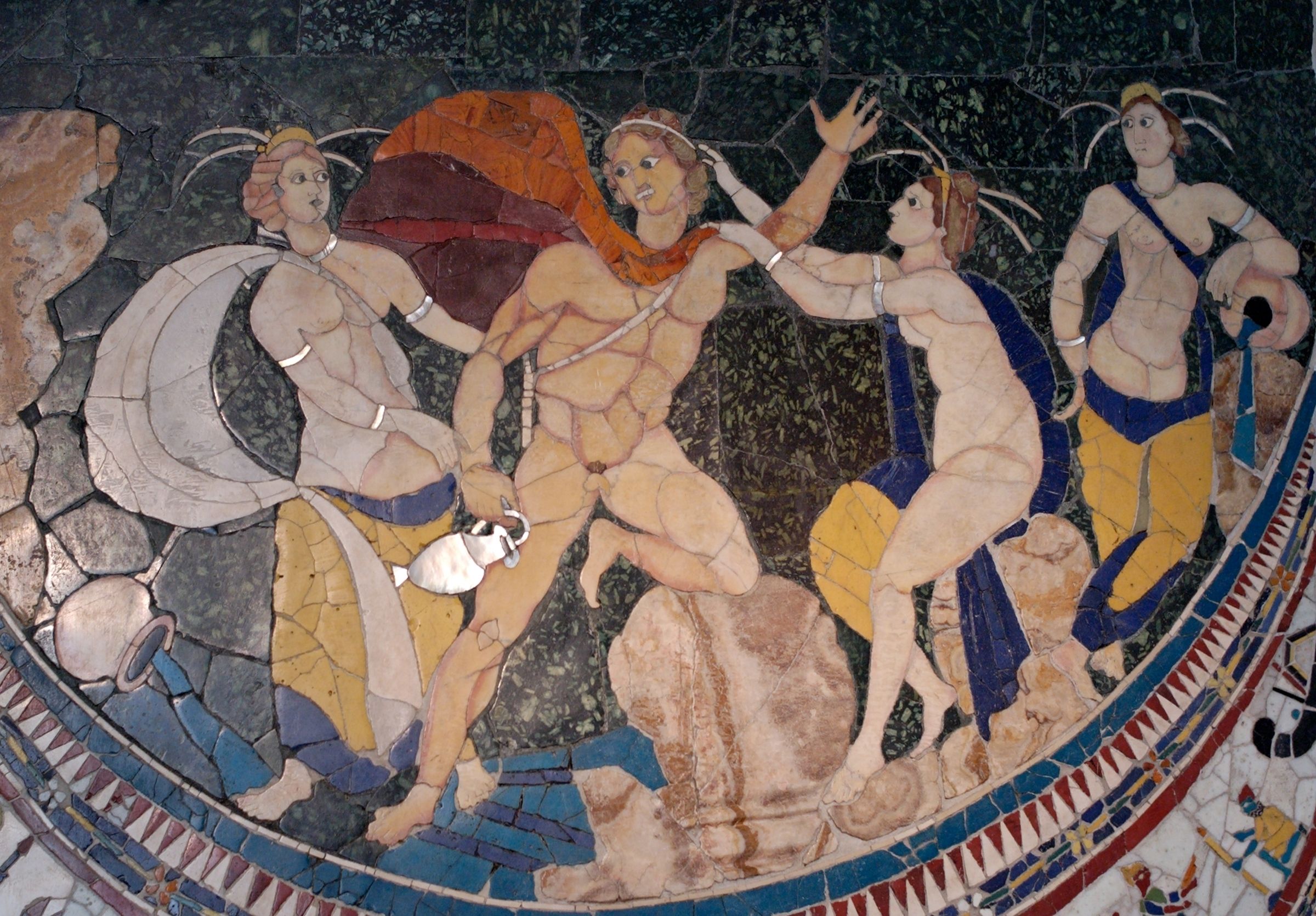
Nymphs are deities whose worship is widely attested in ancient Greece. Closely linked to what we now call “nature”—particularly water, trees, and caves—they are nevertheless no strangers to the political sphere. Indeed, they frequently play a role as founding figures of the city.
The Nymphs preside over both the definition of territory, insofar as they are associated with specific elements of the local landscape, and that of marriage, conceived as one of the foundations of human community and its continuity within the civic space.
In narrative traditions as well as in Greek cult practices, their relationship to the erotic sphere appears deeply ambivalent: on the one hand, they are often the object of the gods' desire; on the other, they frequently abduct young mortal men and take them into their own world. These stories can be linked to a well-documented phenomenon in Antiquity, namely nympholepsy, or possession by nymphs.
Doralice Fabiano is a Hellenist specializing in ancient Greek religion. She studied in Siena, where she obtained a PhD in ancient anthropology in 2008, before specializing in the history of religions at the University of Siena. She has participated in several research projects and taught at the universities of Geneva, Lausanne, Fribourg, and Milan. In 2019, she published a book on representations and conceptions of the afterlife in ancient Greece (Senza Paradiso, Il Mulino). Her research focuses in particular on water deities in ancient Greece, notably nymphs and river gods.
Thursday, February 12, 7 pm
Conference in French
Limited capacity, booking is mandatory
Anti-nymphes | Les Nymphes grecques | Conférence de Doralice Fabiano
Le programme « Anti-nymphes » s’intéresse aux relectures féministes des mythes gréco-romains dans l’art contemporain, proposant des formes multiples d’actualisation de l’ancienne figure de la nymphe.
Jeudi 12 février, 19h00Tremenet
DR
Les Nymphes sont des divinités dont le culte est largement attesté dans la Grèce antique. Étroitement liées à ce que nous appelons aujourd’hui la « nature » — en particulier aux eaux, aux arbres et aux grottes —, elles ne sont cependant pas étrangères à la sphère du politique. En effet, elles jouent fréquemment un rôle de figures fondatrices de la cité.
Les Nymphes président à la fois à la définition du territoire, dans la mesure où elles sont associées à des éléments précis du paysage local, et à celle du mariage, conçu comme l’un des fondements de la communauté humaine et de sa continuité au sein de l’espace civique.
Dans les traditions narratives comme dans les pratiques cultuelles grecques, leur rapport à la sphère érotique apparaît profondément ambivalent : d’un côté, elles sont souvent l’objet du désir des dieux ; de l’autre, elles enlèvent fréquemment de jeunes hommes mortels qu’elles entraînent dans leur propre monde. Ces récits peuvent être mis en relation avec un phénomène bien attesté dans l’Antiquité, à savoir la nympholepsie, c’est-à-dire la possession par les Nymphes.
Doralice Fabiano est helléniste, spécialiste de la religion grecque ancienne. Elle a effectué ses études à Sienne, où elle a obtenu en 2008 un doctorat en anthropologie de l’Antiquité, avant de se spécialiser en histoire des religions à l’Université de Sienne.
Jeudi 12 février, 19h
Places limitées, réservation obligatoire


