Feiern 200 Jahre Fotografie, neue Perspektiven
Runder Tisch vorgeschlagen vom Zweihundertjahrjubiläum der Fotografie und dem Ministerium für Kultur
Aménagements à l'accessibilité
Dalc'het en o c'heflusk
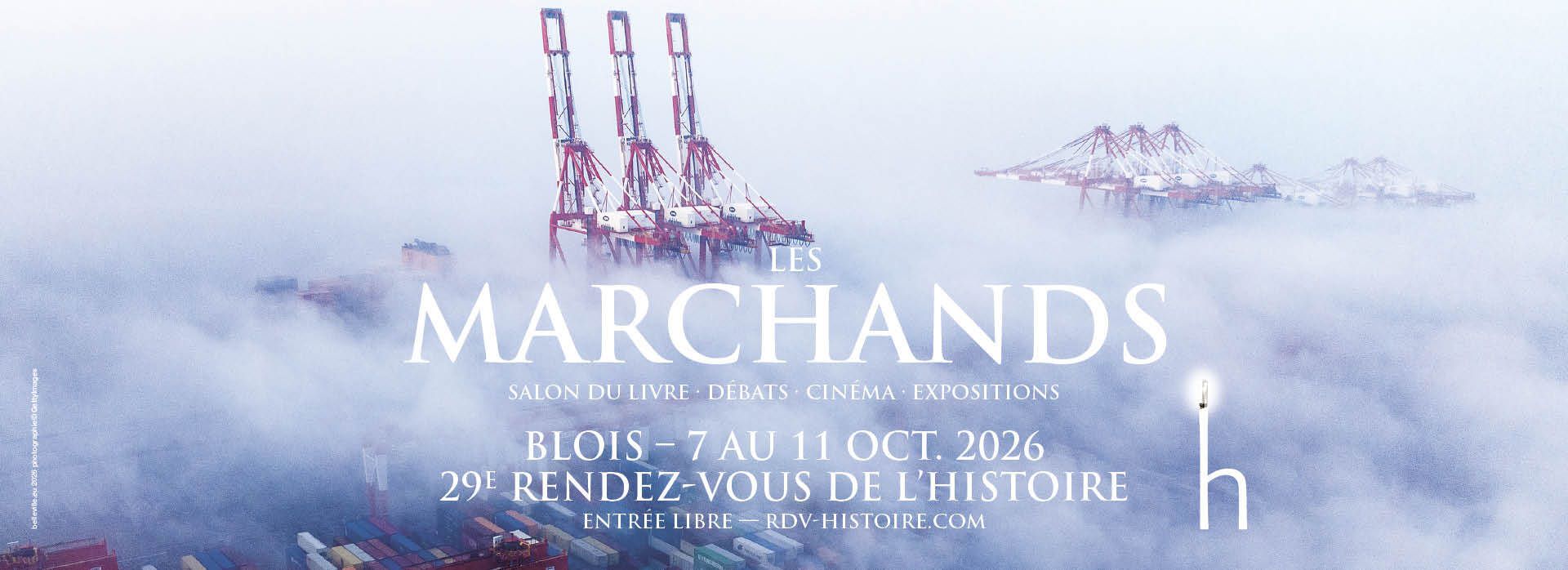
©belleville.eu 2026 © photographie Ji Haixin / Visual China Group – Getty Images
Runder Tisch vorgeschlagen vom Zweihundertjahrjubiläum der Fotografie und dem Ministerium für Kultur
Im Frühjahr 1827 gelang es Nicéphore Niépce, das erste dauerhaft erzeugte Bild mittels einer Camera obscura zu entwerfen. Das Zweihundertjahrfest der Fotografie feiert diese Erfüllung der Idee der Fotografie, eines Mediums, das die Wahrnehmung und Darstellung der Welt verändert hat. Diese Feier ist auf die Gegenwart und die Zukunft ausgerichtet, hebt die außergewöhnlichen öffentlichen Fotosammlungen hervor und hebt das fotografische Schaffen hervor. Die Herausforderungen der fotografischen Bildbildung sind entscheidend. Öffnen wir die Augen.
Referenten
Eléonore CHALLINE, Dozentin an der Universität Paris 1 Panthéon-Sorbonne,
Dominique DE FONT-RÉAULX, Generalkonservatorin am Louvre, Kunsthistorikerin des 19. Jahrhunderts,
Pierre SINGARAVÉLOU, Professor am Paris 1 Panthéon Sorbonne und am King’s College,
Antonio SOMAINI, Professor und Mitglied des wissenschaftlichen Komitees des Zweihundertjahrs
Celebrating 200 years of photography, new perspectives
Round Table proposed by the Bicentenary of Photography and the Ministry of Culture
Aménagements à l'accessibilité
Dalc'het en o c'heflusk
©belleville.eu 2026 © photographie Ji Haixin / Visual China Group – Getty Images
Round Table proposed by the Bicentenary of Photography and the Ministry of Culture
In the spring of 1827, Nicéphore Niépce managed to conceive the first image created, in a lasting way, through a camera obscura. The Bicentenary of Photography celebrates this achievement of the idea of photography, a medium that has transformed perceptions and representations of the world. This celebration is turned towards the present and the future, valuing the exceptional public collections of photography, exalting the photographic creation. The issues of education in the photographic image are crucial. Let’s open our eyes.
Speakers
Eléonore CHALLINE, lecturer at the University of Paris 1 Panthéon-Sorbonne,
Dominique DE FONT-RÉAULX, general curator at the Louvre, art historian of the 19th century,
Pierre SINGARAVÉLOU, professor at Paris 1 Panthéon Sorbonne and at Kings'College,
Antonio SOMAINI, professor and member of the Scientific Committee of the Bicentenary
Celebrare 200 anni di fotografia, nuovi occhi
Tavola rotonda proposta dal Bicentenario della Fotografia e dal Ministero della Cultura
Aménagements à l'accessibilité
Dalc'het en o c'heflusk
©belleville.eu 2026 © photographie Ji Haixin / Visual China Group – Getty Images
Tavola rotonda proposta dal Bicentenario della Fotografia e dal Ministero della Cultura
Nella primavera del 1827, Nicéphore Niépce riuscì a concepire la prima immagine creata in modo duraturo tramite una camera oscura. Il Bicentenario della Fotografia celebra questo compimento dell'idea di fotografia, mezzo che ha trasformato le percezioni e le rappresentazioni del mondo. Questa celebrazione è rivolta al presente e al futuro, valorizzando le eccezionali collezioni pubbliche di fotografia, esaltando la creazione fotografica. Le sfide dell'educazione all'immagine fotografica sono cruciali. Apriamo gli occhi.
Relatori
Eléonore CHALLINE, docente presso l'Università Paris 1 Panthéon-Sorbonne,
Dominique DE FONT-RÉAULX, conservatrice generale al Louvre, storica dell'arte del XIX secolo,
Pierre SINGARAVÉLOU, professore al Panthéon Sorbonne di Parigi 1 e al King’s College,
Antonio SOMAINI, professore e membro del Comitato scientifico del Bicentenario
Célébrer 200 ans de photographie, nouveaux regards
Table Ronde proposée par le Bicentenaire de la Photographie et le Ministère de la Culture
Aménagements à l'accessibilité
Dalc'het en o c'heflusk
©belleville.eu 2026 © photographie Ji Haixin / Visual China Group – Getty Images
Table Ronde proposée par le Bicentenaire de la Photographie et le Ministère de la Culture
Au printemps 1827, Nicéphore Niépce parvenait à concevoir la première image créée, de manière durable, par le truchement d'une camera obscura. Le Bicentenaire de la Photographie célèbre cet accomplissement de l'idée de photographie, médium qui a transformé les perceptions et les représentations du monde. Cette célébration est tournée vers le présent et l'avenir, valorisant les exceptionnelles collections publiques de photographie, exaltant la création photographique. Les enjeux d'éducation à l'image photographique sont cruciaux. Ouvrons les regards.
Intervenants
Eléonore CHALLINE, maîtresse de conférences à l’Université Paris 1 Panthéon-Sorbonne,
Dominique DE FONT-RÉAULX, conservatrice générale au Louvre, historienne de l’art du 19e siècle,
Pierre SINGARAVÉLOU, professeur à Paris 1 Panthéon Sorbonne et à Kings’College,
Antonio SOMAINI, professeur et membre du Comité scientifique du Bicentenaire
Celebrar 200 años de fotografía, nuevas miradas
Mesa Redonda propuesta por el Bicentenario de la Fotografía y el Ministerio de Cultura
Aménagements à l'accessibilité
Dalc'het en o c'heflusk
©belleville.eu 2026 © photographie Ji Haixin / Visual China Group – Getty Images
Mesa Redonda propuesta por el Bicentenario de la Fotografía y el Ministerio de Cultura
En la primavera de 1827, Nicéphore Niépce logró concebir la primera imagen creada, de manera duradera, por medio de una cámara oscura. El Bicentenario de la Fotografía celebra este logro de la idea de la fotografía, medio que transformó las percepciones y las representaciones del mundo. Esta celebración está orientada hacia el presente y el futuro, valorizando las excepcionales colecciones públicas de fotografía, exaltando la creación fotográfica. Los desafíos de la educación fotográfica son cruciales. Abramos los ojos.
Oradores
Eléonore CHALLINE, profesora en la Universidad París 1 Panthéon-Sorbonne,
Dominique DE FONT-RÉAULX, conservadora general del Louvre, historiadora del arte del siglo XIX,
Pierre SINGARAVÉLOU, profesor en el Panthéon Sorbonne de París 1 y en el King’s College,
Antonio SOMAINI, profesor y miembro del Comité científico del Bicentenario


